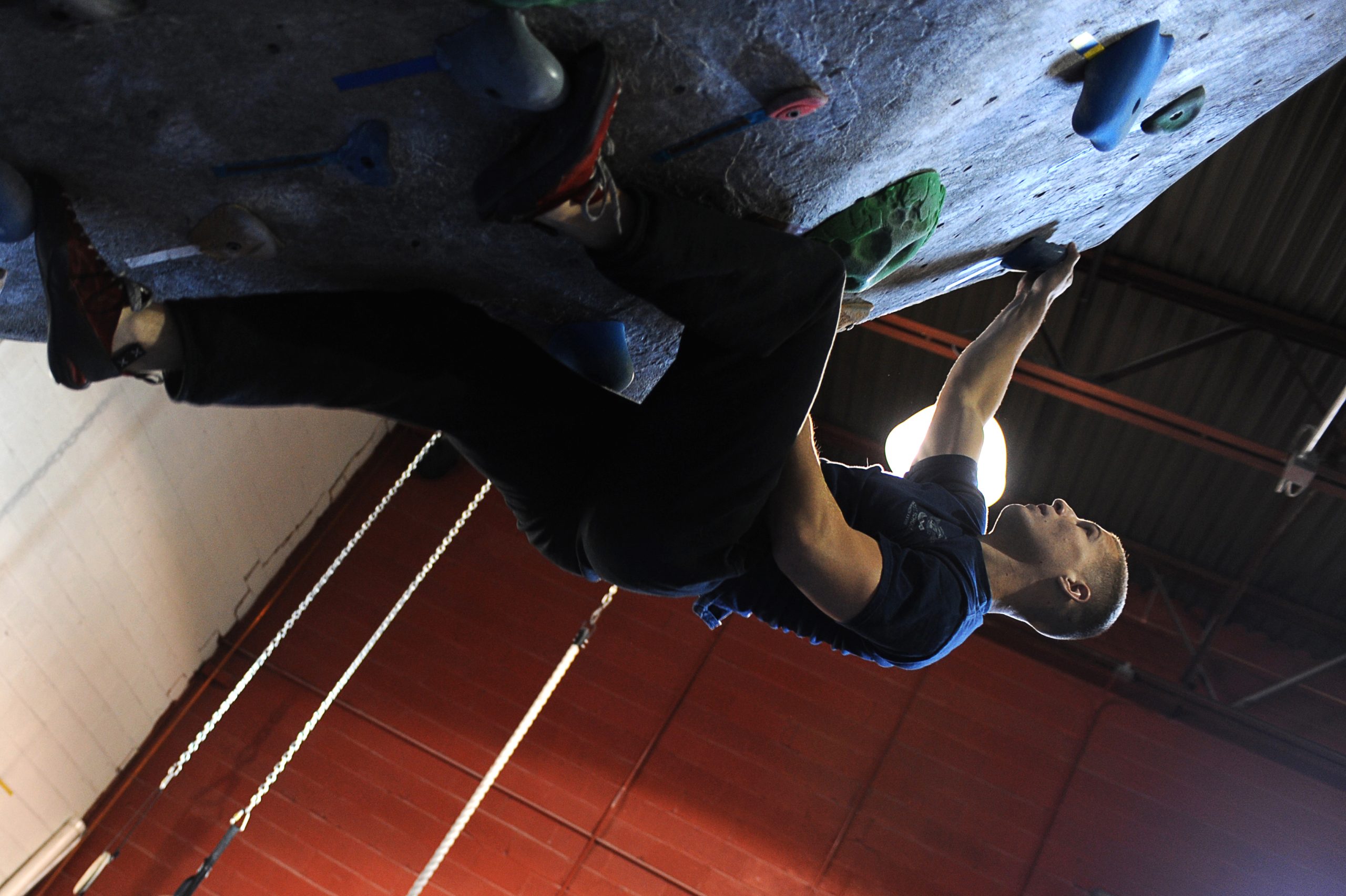
OK. So. Rock climbing.
I used to think I was in decent shape. I lift weights. I run. I can do a pushup (sometimes). I thought, “How hard can climbing a wall be?”
…
Yeah. I was wrong. So wrong.
My first time at a climbing gym, I couldn’t even get three feet off the ground without my forearms cramping up. These spindly little plastic holds that looked easy? Absolutely wrecked me. I left with shaky arms and a very bruised ego.
But here’s the thing — I kept going back. And over the past year or so, I’ve actually gotten… not terrible? At it. Still not good. But I can at least make it to the top of some routes without feeling like I’m going to die.
If you’re thinking about trying climbing, or you’ve tried it and got humbled (like I did), here’s what I’ve learned about getting stronger for the wall.
Why Climbing Will Humble You (In a Good Way)
Look, I don’t want to scare you off. But I also don’t want you to walk into a climbing gym thinking it’ll be easy, because it won’t be.
Climbing uses muscles you probably don’t even know you have. Finger strength matters, but pain is not a badge of progress. My forearms got tired quickly at first; sharp or persistent finger pain is a reason to stop and get advice, not to push through.
But that’s also why it’s so addictive. You walk into the gym feeling like you can’t do anything, and then slowly, week by week, you get a tiny bit better. And that feeling when you finally send a route that used to feel impossible? Genuinely amazing.
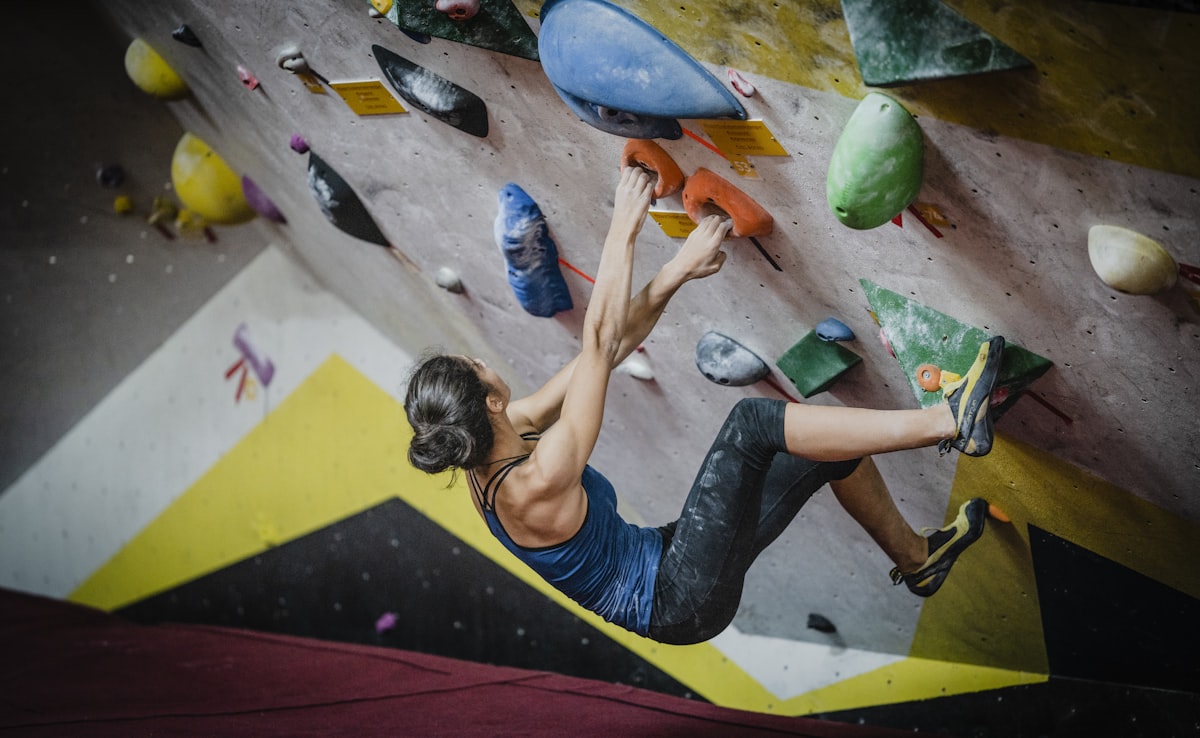
The Muscle Groups You Actually Need
OK so. If you want to get better at climbing, you need to train specific stuff. Here’s what actually matters:
Forearms and Grip Strength
This is the big one. If your grip gives out, you’re done. Game over. I’ve watched people with massive biceps fail on easy routes because their forearms cramped up.
You don’t need a fancy gym membership to work on grip. For a beginner, the most useful work is usually easy climbing with deliberate foot placement and plenty of rest. Basic rows or assisted pull-ups can support your back strength, but you do not need a collection of grip gadgets to start.
Back and Lats
Pulling yourself up a wall uses your back muscles constantly. If you’ve never done a pullup in your life, climbing is going to be… an experience.
Work on pullups. Or at least assisted pullups. Rows. Anything that strengthens your back.
Core
You need core strength for everything in climbing. Balancing on tiny holds, twisting to reach the next hold, keeping your feet on the wall — it’s all core.
Planks, hollow body holds, leg raises. Boring? Yes. Effective? Also yes.
Fingers (Yes, Specifically Your Fingers)
I mentioned this but it deserves its own section. Your fingers may feel tired after climbing, but sharp, localized, or lingering pain is a warning sign. Stop the session if a hold hurts a finger and let it recover before climbing again.
Hangboards put concentrated load on the fingers. If you are new, spend time learning movement on easier climbs first; ask a qualified coach before adding fingerboard sessions. The British Mountaineering Council explains why overtraining can damage fingers.
Training When You’re Not At the Climbing Gym
Not everyone lives next to a climbing gym. I certainly don’t. So here’s what I do when I can’t get to the wall:
Pulling strength. Assisted pull-ups and rows can help, but climbing also depends on footwork, balance, and choosing efficient positions. Start with a manageable amount of pulling work rather than doing every grip variation.
Finger recovery. I would not recommend casual doorway hangs to a beginner. Finger training deserves a warm-up, a plan, and recovery time; for now, easier climbing and good technique are a better use of most beginners’ energy.
Antagonist training. This is important and most people ignore it. Climbing involves a lot of pulling. Some pushing exercises may help keep general training balanced, though no single exercise guarantees injury prevention. Pushups, bench press, overhead press.
Cardio. Climbing is surprisingly cardio-intensive. If you get out of breath halfway up a route, you’re going to struggle. I run a few times a week just to keep my endurance up.
The Mental Game (Which Nobody Talks About)
OK so. The physical side of climbing is hard. But the mental side? That’s its own beast.
Fear of falling. This is huge. A rope and a trained belayer can reduce risk, but climbing still requires equipment checks, clear communication, and attention to the gym’s rules. Feeling nervous at height is understandable. I still get nervous on routes that are high off the ground.
Do not improvise fall practice, especially near the ground. Tell the instructor or a qualified belayer what worries you and ask them to guide you through the gym’s safety procedures. You can also build confidence by climbing easy routes, checking your setup, and descending when you need to.
Problem-solving under pressure. Climbing routes are basically puzzles. You have to figure out where to put your hands and feet while your forearms are screaming at you. It’s a lot.
Some people are great at the physical side but panic when they can’t figure out the next move. That’s normal. Take a breath. Look at the route. Sometimes the solution is simpler than you think.
My Progression (So You Know What to Expect)
Alright. Here’s how my first year went, roughly:
Month 1-2: Everything is hard. I’m falling off routes that kids could climb. My forearms hurt constantly. I’m questioning my life choices.
Month 3-4: Starting to get the hang of it. I can climb many V0-V1 boulder problems at my gym (those are bouldering grades) without falling. My fingers hurt less. I’m actually having fun.
Month 6: I sent my first V2. I may have shouted. It’s possible. I’m not confirming or denying.
Month 9: V3s are starting to feel doable. Some of them, anyway. I’m definitely stronger than when I started.
Month 12: I can climb most V3s at my gym. Working on V4s. I’ve also realized how much I still don’t know. Which is… a lot.
Your progression might be faster. Or slower. Everyone’s different. Don’t compare yourself to the super-fit regulars at the gym. Compare yourself to where you were last month.
Gear You Actually Need (And What’s a Waste)
You don’t need much to start climbing. Seriously.
Climbing shoes: Yes, you need these. Rent them at first to see what size/style you like. But if you keep going, buy your own. It’s worth it.
Chalk: Keeps your hands dry. Seems minor but it makes a difference. Get a chalk bag.
Harness and belay device: Rope climbing requires the right equipment and training. Many gyms rent gear and teach belaying; complete their instruction and checks before belaying anyone.
An introduction to gym safety: Take a beginner class. Learn the difference between bouldering, top-rope, and auto-belay systems, follow the staff’s instructions, and do partner checks before rope climbing. The BMC indoor climbing guide is a useful starting point.
What you DON’T need:
– Expensive workout clothes
– Finger tape (at first)
– A training board for your home (yet)
– Any of the fancy expensive gear they sell at REI
Should You Try It?
Yeah. Probably.
Climbing is one of the most satisfying sports I’ve ever tried. It’s hard. It’ll make you feel weak. But the progression is so rewarding. And the community is genuinely nice — everyone wants you to succeed.
Find a local climbing gym. Take a beginner class. Rent the shoes. Try it.
And if you walk out with shaking forearms and a big smile? Welcome to the club.
—
Want to learn more?
– Find a gym: Most cities have at least one climbing gym now. Google it.
– Watch videos: YouTube has great technique videos. But nothing replaces actually climbing.
– Find a partner: Climbing is more fun with someone. For roped climbs, use a trained belayer or a gym-approved auto-belay system after instruction and checks.
Tags: #RockClimbing #Bouldering #ClimbingFitness #GripStrength #IndoorClimbing #Progression #TryClimbing
发表回复