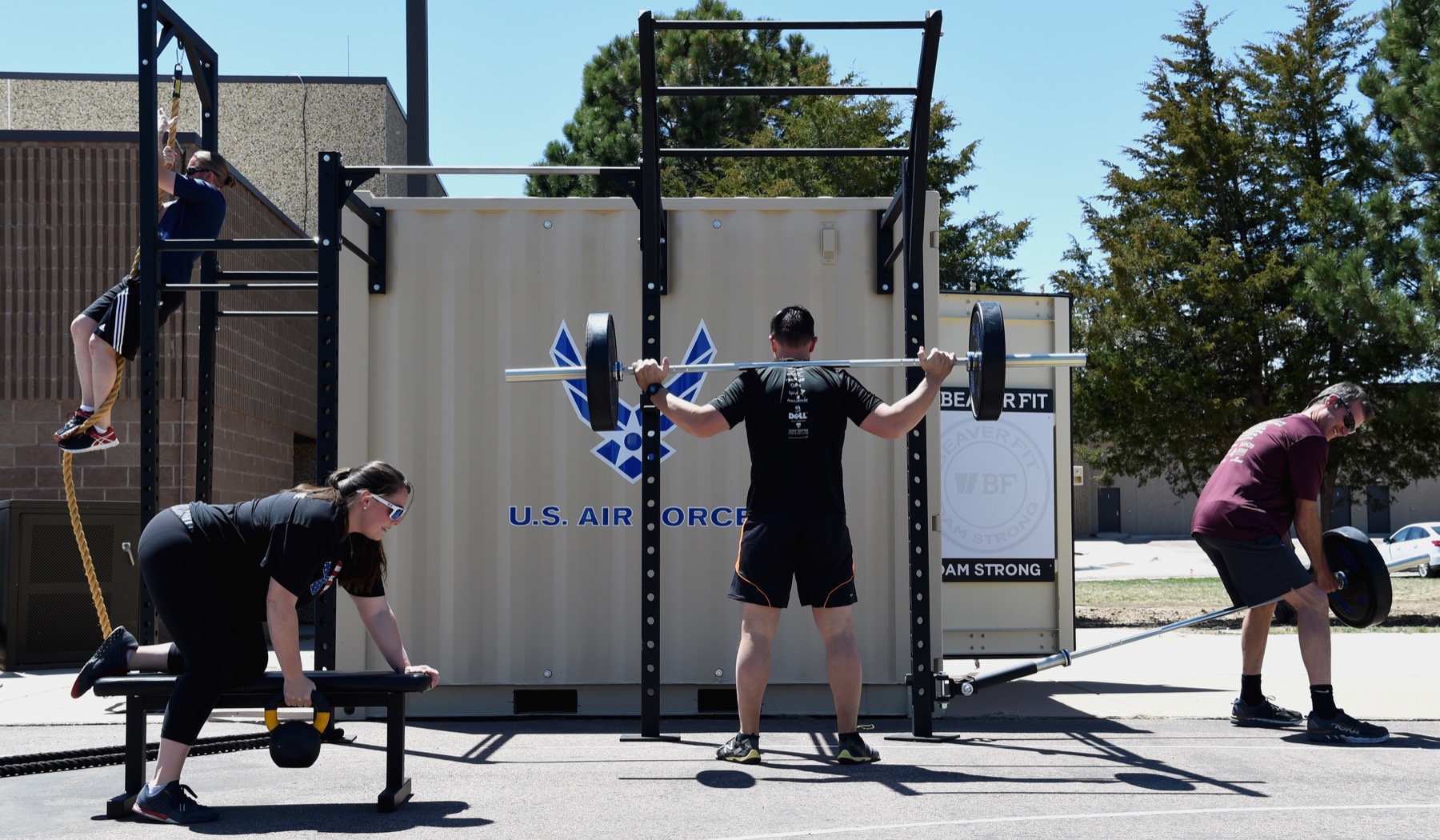
Alright. So I’ve been on this fitness journey for a while now. And when I say “journey” I mostly mean “series of mistakes that eventually led to something good.”
Here’s the thing nobody tells you when you start working out: there’s SO much information out there. Like, way too much. Every influencer has a different opinion. Every fitness app claims to be the one. Your gym bro says one thing, your yoga friend says another, and TikTok? Don’t even get me started.
I spent probably the first year just… confused. Doing random stuff. Wondering why nothing was changing. Spoiler: because I was doing random stuff.
But eventually — after lots of trial and error, some injuries, some breakthroughs — I figured out what actually matters. Not the fancy stuff. Not the complicated programs. Just the basics, done consistently.
So here’s what I wish someone had told me on day one.
1. Stop Setting “Lose 20 Pounds” Goals (Seriously, Stop)
Okay I know this sounds counterintuitive. But hear me out.
When I first started, my goal was “lose weight.” That’s it. Super vague, right? And every time I stepped on the scale and it hadn’t moved (or worse, had gone UP), I’d get discouraged and eat my feelings.
What actually worked? Setting process goals instead of outcome goals.
Instead of “lose 20 pounds,” I switched to:
– Work out 3 times this week
– Drink water regularly today
– Sleep before 11pm
– Take a walk after lunch
See the difference? These are things I can control. The scale? Can’t control that. But I CAN control whether I show up to my workout.
2. Cardio vs. Weights? Just Do Both (But Here’s the Order)
This debate is SO tired. “Cardio kills gains.” “Weights make you bulky.” “You have to do fasted cardio.”
Listen. Here’s what I’ve learned:
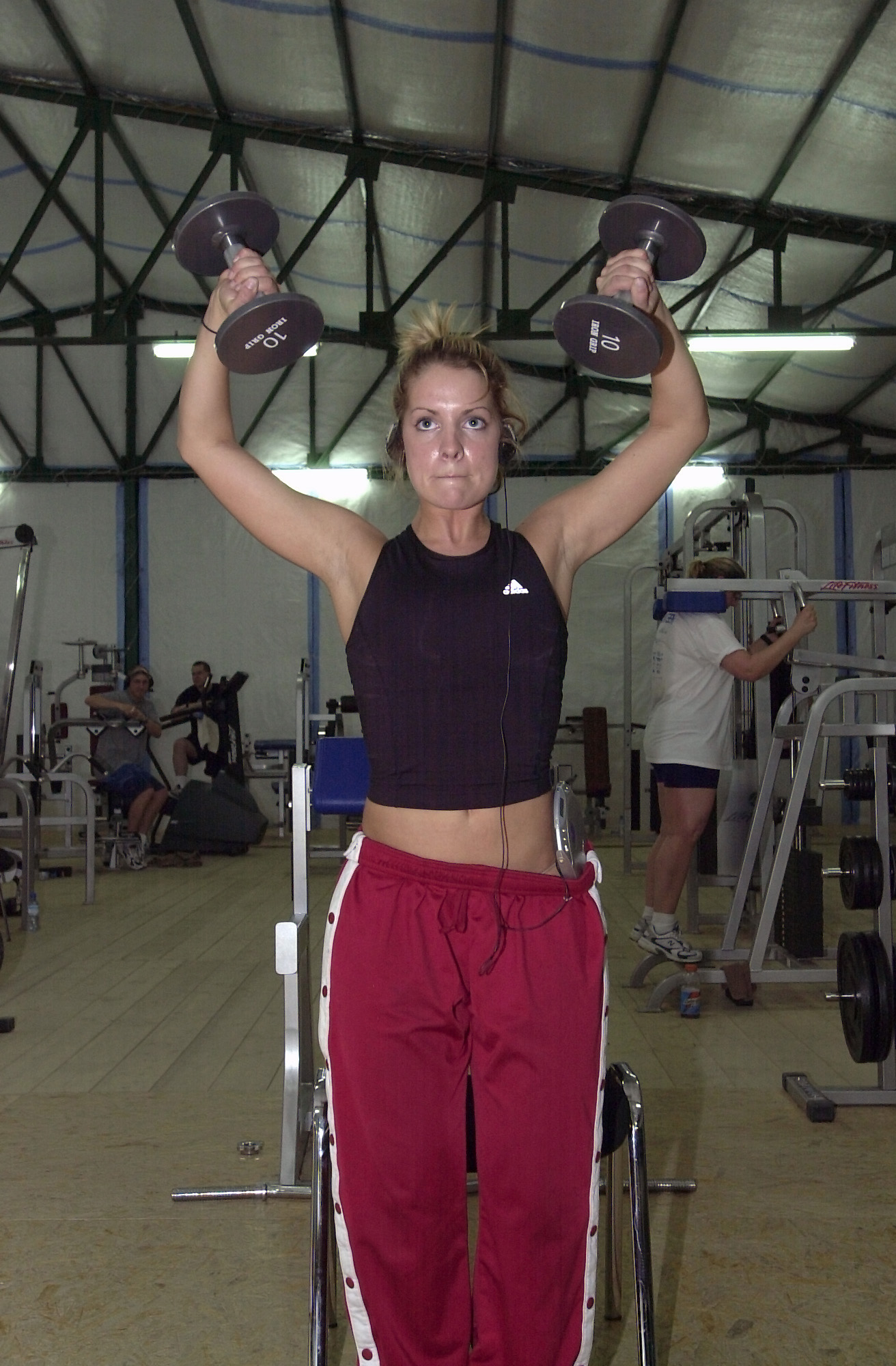
If you want to look different (lose fat, build muscle): Resistance training is your friend. Cardio supports heart and lung fitness, while resistance training helps build or preserve muscle. Both can contribute to body composition goals.
If you want to feel different (more energy, better sleep, less stress): Cardio can improve endurance and give you a useful break from stress. A run, swim, or brisk walk can all count.
The best approach? Both. But if I had to pick an order, I’d say: choose an order that fits your main goal and your energy. You can lift and do cardio on the same day, or spread them across the week. Or… honestly, just pick something and stick with it. The “perfect” program doesn’t exist.
3. The “More Protein” Thing Is Actually True (Annoying, But True)
I used to roll my eyes at the “eat more protein” advice. Like yeah yeah, I get it, protein is important. But does it REALLY matter that much?
Turns out. Yes. It does.
When I started actually tracking my protein intake (paying attention to whether my meals included a useful protein source), three things happened:
1. I stopped being hungry all the time
2. My recovery got way better
3. I actually started seeing muscle definition
The thing about protein is it keeps you fuller than carbs or fat. That can make meals more satisfying for some people, though appetite and needs vary. Plus your muscles need it to repair after workouts.
Easy protein sources I rely on: eggs, Greek yogurt, chicken, fish, protein powder when I’m lazy. Nothing fancy.
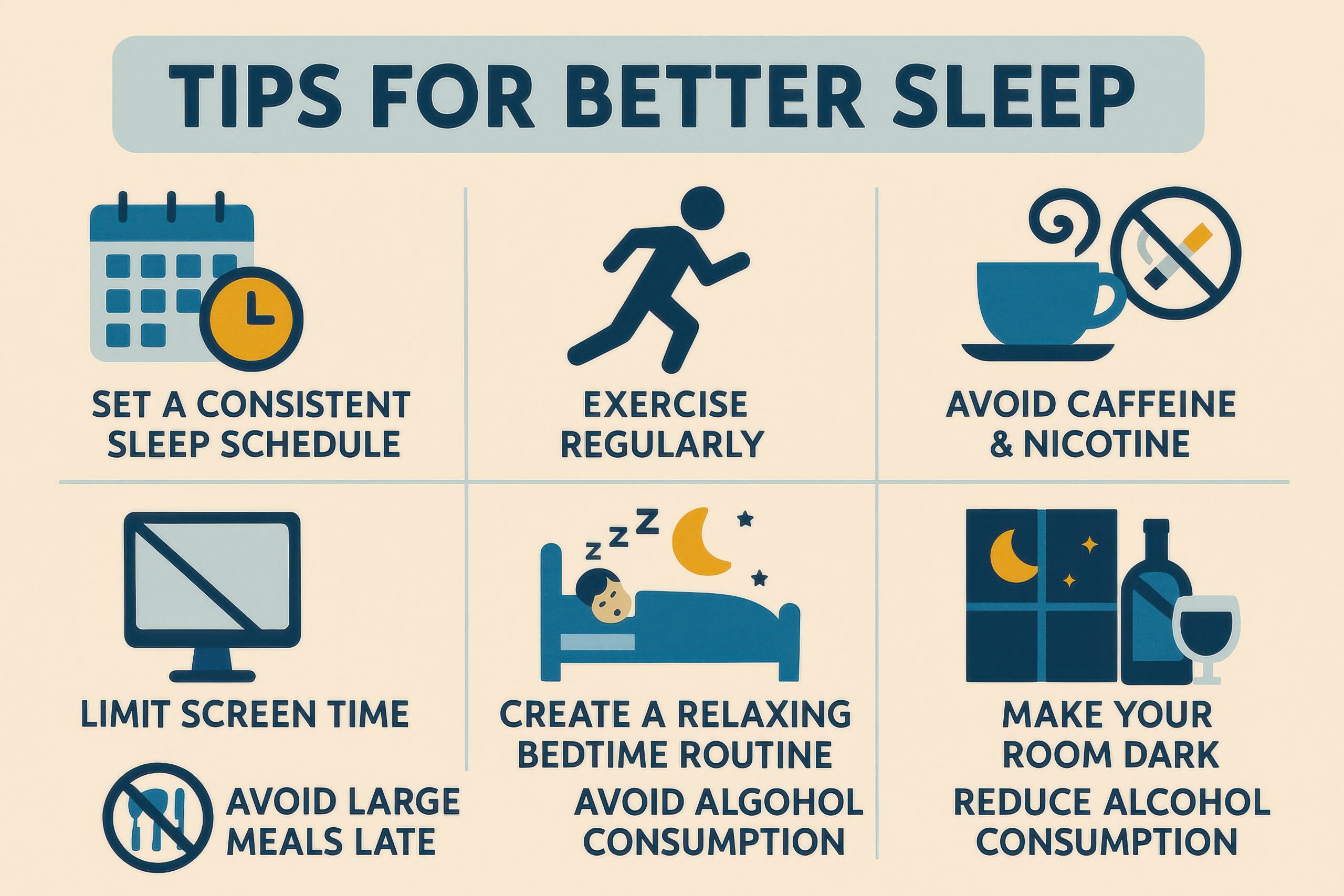
4. Sleep Is Not Optional (I Learned This The Hard Way)
Okay so for the first two years of working out, I was sleeping like 5-6 hours a night. Maybe 7 on weekends. I figured, hey, I’m young-ish, I can handle it.
Turns out no. I couldn’t.
Here’s what I didn’t realize: your body does MOST of its recovering while you sleep. Like, that’s when muscle repair happens. That’s when your hormones regulate. That’s when your brain processes everything.
When I finally started prioritizing sleep (7.5-8 hours), everything changed:
– My workouts felt easier
– I stopped getting injured as often
– My mood was way better
– I actually wanted to work out instead of dragging myself there
Now I treat sleep like a workout. It’s non-negotiable. I protect it like I protect my gym time.

5. You Can’t Out-Train a Bad Diet (I Tried. Many Times.)
This one hurt to learn.
I used to think “Oh, I worked out today, I can eat whatever I want.” So I’d crush a burger and fries after the gym, feeling virtuous because I “earned” it.
Here’s the math: workout calorie estimates vary widely and are easy to overread. A workout does not tell me how much food my body needs that day.
It took me embarrassingly long to realize that food choices matter, but there is no reliable percentage that applies to everyone. You can work out 2 hours a day, but if you’re eating in a surplus, you’re not losing fat.
I’m not saying you can never have treats. I definitely still have pizza sometimes. But I stopped using workouts as an excuse to overeat. And that made a huge difference.

6. Progressive Overload (The Boring Secret to Progress)
This sounds fancy but it’s actually simple: you have to keep making things harder.
When I first started, I’d do the same workout every time. Same weights, same reps, same everything. And I wondered why I stopped seeing changes.
Your body is smart. It adapts. What felt hard in month 1 becomes easy by month 3. If you don’t increase the challenge, you plateau.
“Progressive overload” just means:
– Increase the weight
– Or do more reps
– Or improve control at the same load
– Or add a set when recovery allows
– Or choose a harder variation
Something needs to change. It doesn’t have to be huge — even adding 5 pounds or 2 reps counts. But there needs to be progression.
7. Consistency Beats Intensity (Every. Single. Time.)
Here’s a pattern I see ALL the time:
Someone gets motivated. They go ALL IN. Work out 6 days a week. Buy all the supplements. Meal prep everything. Then 3 weeks later, they burn out and quit.
I know because I did this. Multiple times.
What actually works? Showing up consistently, even when it’s not perfect.
Here’s my current routine:
– 3-4 gym sessions per week (sometimes 5 if I’m feeling good)
– 1-2 walks or light cardio sessions
– Maybe a yoga class when my body needs it
That’s it. Nothing crazy. But I’ve been doing it for years now. And that consistency has done more for me than any intense 6-week program ever did.
8. Rest Days Are Not Lazy (Repeat After Me)
I used to feel guilty on rest days. Like I was “wasting” them. So I’d push through, work out every day, and then wonder why I kept getting injured and sick.
Rest is when your body actually builds muscle. Not during the workout — during REST. The workout is just the stimulus. The growth happens afterward.
Now I take 2-3 rest days per week, and I don’t apologize for them. Sometimes that means doing literally nothing. Sometimes it means a light walk or stretching. But I’m not pushing hard every single day.
Your body needs recovery. It’s not weakness. It’s biology.
9. Track Something (Anything, Really)
Okay so you don’t have to become one of those people who weighs every gram of food and tracks every step. That’s exhausting for some people (and can lead to unhealthy relationships with food/training).
But tracking SOMETHING helps. Options:
– Take progress photos every 2-4 weeks
– Track your workouts (weights, reps, sets)
– Keep a food journal (even a loose one)
– Use a habit tracker for basics like water, sleep, steps
Why does this matter? Because progress is slow. Like, really slow. And some days you’ll feel like nothing is changing. But if you have data to look back on — photos, numbers, whatever — you’ll see the trend line.
I can’t tell you how many times I’ve felt stuck, then looked at a photo from 3 months ago and gone “oh wait, things DID change.”
10. Find Your “Why” (And Make Sure It’s Actually Yours)
This sounds corny but stick with me.
A lot of people start working out because they think they should. Or because someone told them to. Or because they want to look a certain way for someone else.
That kind of motivation? It fades. Fast.
What lasts is finding YOUR reason. Maybe it’s:
– Having energy to play with your kids
– Being able to carry groceries without getting winded
– Managing stress and anxiety
– Feeling confident in your own skin
– Proving to yourself that you can stick with something
My “why” has changed over time. Started as wanting to look better. Now it’s mostly about mental health and feeling capable. The aesthetic stuff is just a bonus.
Here’s The Thing About Fitness
It’s not complicated. But it’s also not easy.
The principles are simple: move your body, eat mostly real food, sleep enough, stay consistent. You don’t need a fancy program or expensive supplements or the perfect workout gear.
What you need is patience. Because real change takes longer than you want it to. There will be weeks when nothing seems to happen. There will be setbacks and bad days and moments when you want to quit.
But if you keep showing up — imperfectly, consistently — you’ll get there.
I’m still figuring it out myself. Still making mistakes. Still learning. But I’ve come a long way from that confused beginner who didn’t know a dumbbell from a kettlebell.
And you will too.
—
Things that helped me:
– Apps: Strong for workout tracking, MyFitnessPal for food (when I feel like tracking)
– YouTube: Tons of free workout videos for any style you want
– Communities: Reddit’s r/fitness, local running groups, whatever vibes with you
– Books: “Bigger Leaner Stronger” (for the science nerds), “Atomic Habits” (for the behavior nerds)
Tags: #Fitness #WorkoutTips #HealthyLifestyle #Consistency #ProgressNotPerfection #GymLife #Nutrition #RestAndRecovery