I still remember the first time I stepped into a gym. I was 19, intimidated by everyone who seemed to know exactly what they were doing, and had no idea where to start. I spent the first three months doing bicep curls and wasting time on machines that looked cool
If you’re reading this, maybe you’re in that same spot. Or maybe you’ve been training a while and feel like you’ve hit a wall. Either way, this is the guide I wish someone had handed me when I was fumbling around with a pair of 10-pound dumbbells, too embarrassed to ask for help.

Why Bother Lifting Weights Anyway?
Let’s be real — most people start strength training because they want to look better naked. There’s no shame in that. But what keeps people training years later has almost nothing to do with aesthetics.
Here’s what actually happens when you stick with it:
Your bones get stronger. I found out in my late 20s that I had the bone density of a 60-year-old woman (thanks, genetics). My doctor’s first recommendation wasn’t medication — it was resistance training. Six months later, my numbers improved. That’s when I stopped thinking about lifting as “optional.”
You stop getting hurt doing stupid things. Carrying groceries, moving apartments, playing with your kids, shoveling snow — all of it gets easier. Your lower back stops complaining every time you tie your shoes.
Your metabolism doesn’t quit on you. Muscle tissue uses energy at rest, although the difference is smaller than many fitness headlines imply. Strength training can support body composition goals, but it is not a shortcut around eating and moving consistently.
The mental health piece nobody talks about. Resistance training can be one useful part of a mental health routine. It is not a substitute for professional care or prescribed treatment, but many people value the structure, confidence, and sense of progress it brings.
How Muscle Actually Grows (The Simple Version)
You don’t need an exercise science degree to understand this. When you lift something heavy, three things happen in your muscles:
1. Mechanical tension — the weight is literally stretching and stressing your muscle fibers. This is the “oh crap, this is hard” signal your body responds to.
2. Fatigue and recovery — challenging sessions create a reason to adapt, while food and rest help you come back ready to train again. Soreness is not a reliable scorecard for muscle growth.
3. Metabolic stress — that burning feeling when you’re at the end of a set? That’s lactate and other metabolites building up. This also triggers growth, but you do not need to let your form fall apart to make a set productive.
The takeaway: give your muscles a meaningful challenge, practice sound technique, and gradually increase the work you can handle. Track your repetitions and load over time instead of chasing soreness or sloppy last reps.

The 5 Exercises That Actually Matter
If I could go back and redo my first two years of training, I’d ignore 90% of what I did and just focus on these five movements. They’re called “compound exercises” because they work multiple muscle groups at once. More bang for your buck.
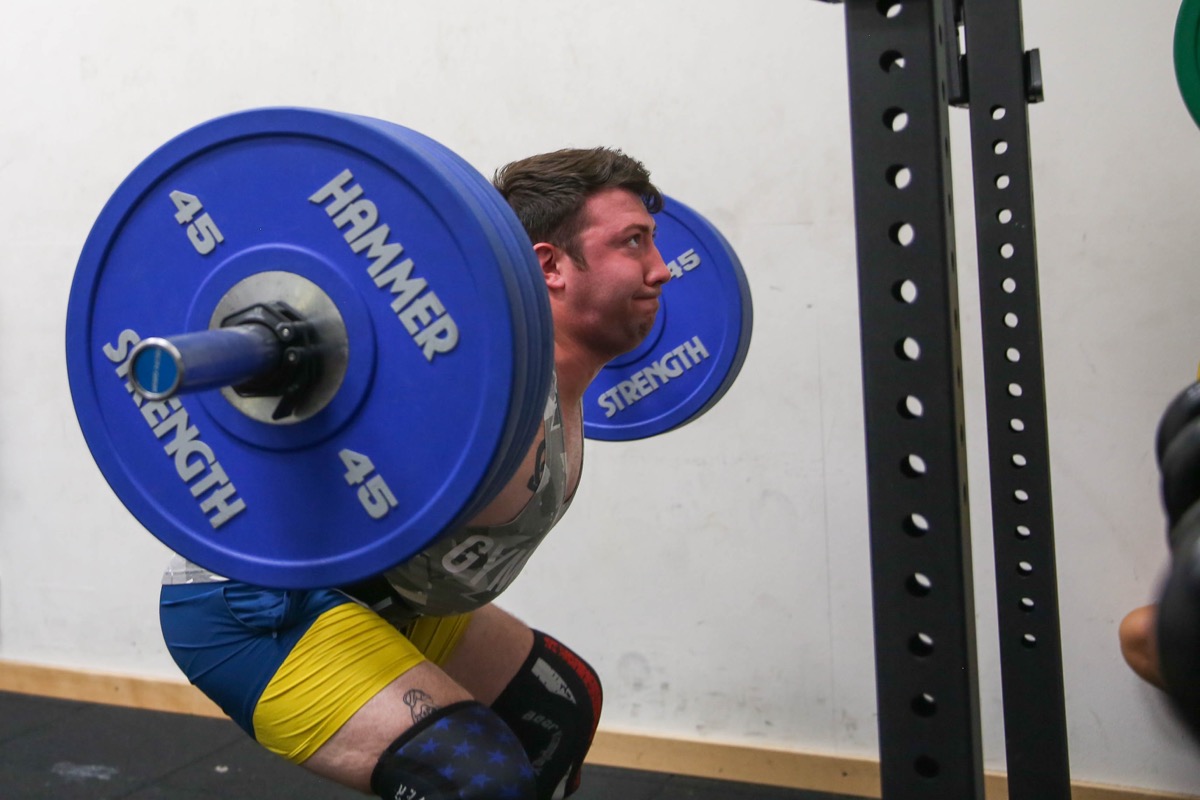
1. The Squat
What it works: Quads (thighs), glutes (butt), hamstrings, core — basically your entire lower body plus your abs.
Why it matters: You squat every day when you sit down and stand up. Getting stronger at it makes daily life easier and your legs look better in jeans.
How to learn: Start with bodyweight. Then goblet squats (holding a dumbbell or kettlebell against your chest). Then barbell back squats once you’re comfortable with a bar. Don’t rush it.
I spent my first six months squatting with terrible form because I was too proud to use a lighter weight. Don’t be me. Use the mirror, record yourself, or better yet, ask someone who knows what they’re doing to check your form.
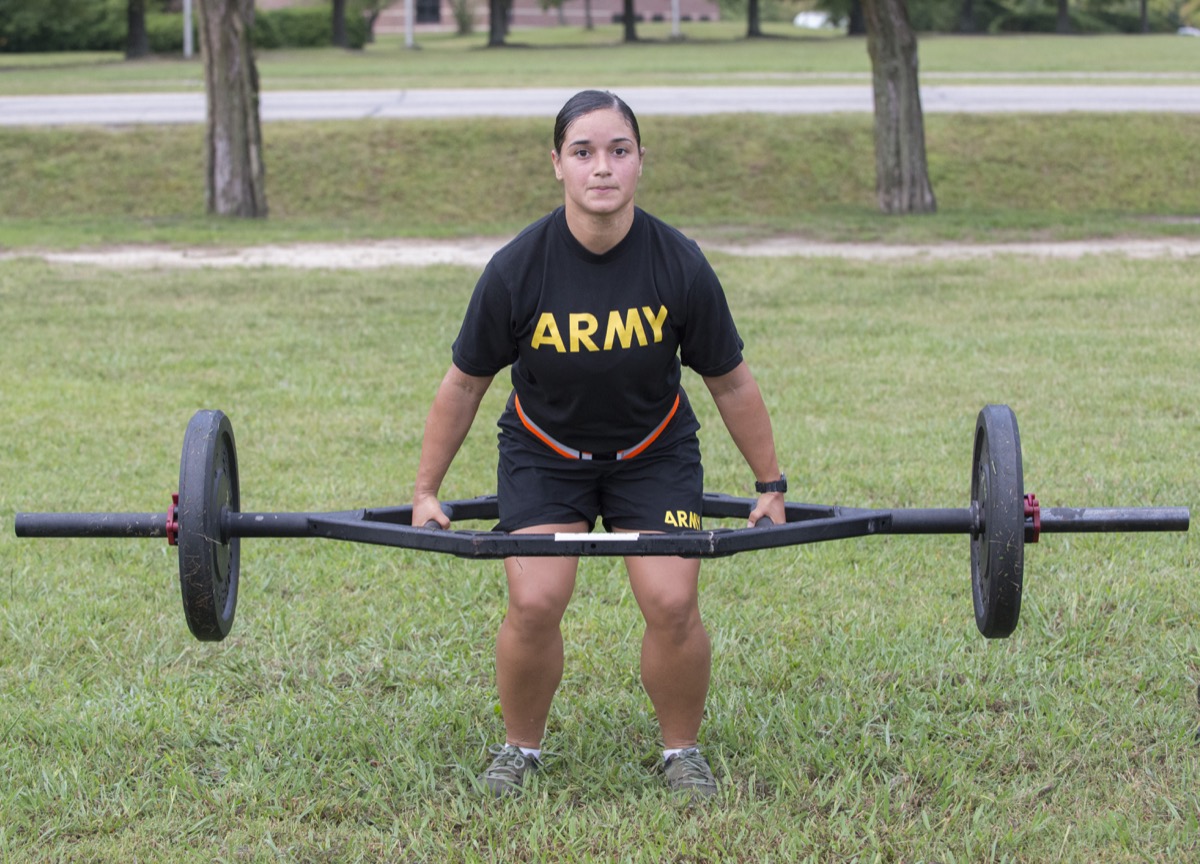
2. The Deadlift
What it works: Hamstrings, glutes, lower back, traps, grip — posterior chain.
Why it matters: This is the most “functional” exercise there is. Picking something heavy up off the ground is something you’ll do forever. Also, few things make you feel as ridiculously strong as deadlifting more than you weigh.
A warning: Start with a load you can control and learn the hip hinge before adding weight. Keep the bar close, brace your trunk, and use a comfortable range of motion. If you feel pain or cannot maintain control, stop and ask a qualified coach to check your setup.
3. The Bench Press
What it works: Chest, front shoulders, triceps.
Why it matters: It’s the most popular exercise in gyms for a reason — it works. Also, being able to push heavy weight away from your body has real-world applications (pushing a stuck car, moving furniture).
The mistake everyone makes: Letting your lower back arch too much (it’s okay to have a slight arch, but your butt should stay on the bench). Also, bouncing the bar off your chest. Don’t. Your sternum will thank you later.
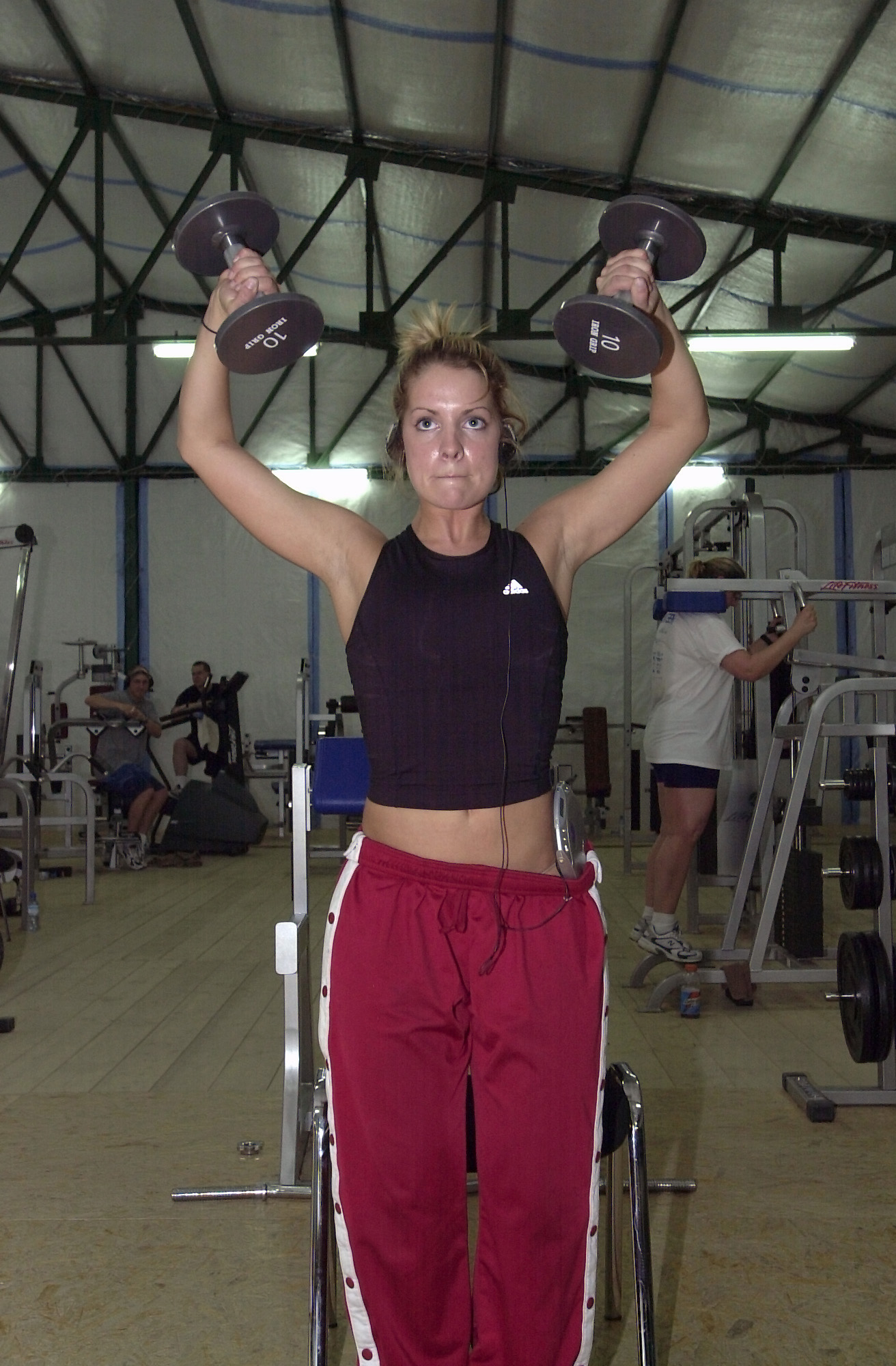
4. The Overhead Press
What it works: Shoulders, triceps, upper chest, core (your whole midsection has to stabilize the weight).
Why it matters: Most people have weak shoulders because we spend all day hunched over computers. Overhead pressing can help build shoulder strength and makes your shoulders look broader.
A note on safety: Don’t arch your back excessively like you might in a bench press. Keep your core tight. If you feel pain in your lower back, the weight is too heavy or your form needs work.
5. Rows (Any Kind)
What it works: Lats, rhomboids, rear delts, biceps — basically everything on the back side of your upper body.
Why it matters: Most people spend too much time pushing (bench, pushups, overhead press) and not enough time pulling. This creates muscle imbalances that lead to shoulder pain and that hunched posture everyone’s trying to fix.
The simple version: Bent-over barbell rows, dumbbell rows, cable rows, machine rows — they all work. Pick one you can do consistently and learn to feel your back muscles doing the work (this is harder than it sounds).

How to Actually Put This Into a Program
Okay, here is a practical starting point.
If You’re a Complete Beginner
The reality check: You’re going to be sore. Not “I worked out” sore — “did I break something?” sore. This is normal. It goes away after 2-3 weeks.
A simple 3-day full-body split (do this for 3-6 months before worrying about anything fancier):
– Monday: Squat 3×8, Bench Press 3×8, Rows 3×10
– Wednesday: Goblet Squat 3×10, Overhead Press 3×8, Deadlift 3×5
– Friday: Squat 3×8, Bench Press 3×8, Rows 3×10 (same as Monday)
Rest at least one day between sessions. Your muscles grow when you sleep, not when you train.
If You’ve Been Training 6-24 Months
Move to an upper/lower split (4 days per week):
– Monday (Upper): Bench Press 3×5-8, Rows 3×8-10, Overhead Press 3×8-10, accessories
– Tuesday (Lower): Squat 3×5-8, Romanian Deadlift 3×8-10, accessories
– Thursday (Upper): Different variations than Monday
– Friday (Lower): Different variations than Tuesday
This lets you train each muscle group twice a week instead of once, which means more growth.
If You’ve Been Training 2+ Years
At this point, you probably know what you’re doing. The classic splits people use:
– Push/Pull/Legs (6 days): Push day, Pull day, Legs day, repeat
– Body part split (5 days): Chest, Back, Shoulders, Arms, Legs
– Upper/Lower (4 days): Same as intermediate but with more volume
The “best” program is the one you’ll actually do consistently. I’ve seen people make great gains on all of these. Pick one and stick with it for at least 8-12 weeks before changing.
How Many Reps Should You Do?
Here’s the simple version:
– 1-5 reps: Builds pure strength. Good if you want to be strong
– 6-12 reps: The “sweet spot” for building muscle size. This is where most people should spend most of their time.
– 12-20 reps: Builds muscular endurance. Good for accessories and isolation exercises.
– 20+ reps: Metabolic stress central. Good for fat loss phases or adding variety.
If you’re not sure, start with 8-10 controlled reps for most exercises. Choose a load that lets you finish each set with a couple of good reps still available, then build from there.


Eating for Strength (Without Overcomplicating It)
I’m going to save you years of confusion: protein is the only nutrient you need to actively worry about. Everything else matters too, but if you get protein right, the rest tends to fall into place.
How much protein? Aim for roughly 0.7-1 gram per pound of body weight. If you weigh 150 lbs, that’s 105-150 grams per day. That sounds like a lot, but it’s really not — a chicken breast has about 30-40 grams.
Do you need to be in a calorie surplus? If you want to maximize muscle growth, yes. Eat about 200-500 calories above what your body burns. You’ll gain some fat along with the muscle — that’s normal and expected.
What if you want to lose fat while building muscle? This is called “body recomposition” and it’s possible, especially for beginners. Eat at roughly maintenance calories (not above, not below) and hit your protein target. Your body will use fat for fuel while building muscle from the protein you eat.
Pre- and post-workout nutrition: The “anabolic window” where you need to chug a protein shake within 30 minutes of training? That’s mostly marketing. Eat a protein-rich meal within a few hours of training and you’re fine.
The Mistakes I Made (So You Don’t Have To)
Mistake #1: Training Too Often
I used to think more was always better. I’d train 6-7 days a week because I was afraid of losing progress. What actually happened? I got weaker, my joints hurt, and I started dreading the gym.
The fix: Start with a schedule you can recover from. Two or three sessions per week can be plenty for a beginner; add work gradually when your sleep, energy, and performance are holding up.
Mistake #2: Not Tracking Anything
For my first year, I had no idea if I was making progress because I wasn’t tracking my lifts. I’d guess at weights and reps. When I finally started writing everything down, I realized I’d been bench pressing the exact same weight for three months.
The fix: Get a notebook or use an app. Write down what you lift, for how many reps, and with what form notes. It doesn’t need to be fancy.
Mistake #3: Letting Ego Decide the Weight
I once tried to squat 225 lbs because my friend was doing it. I managed exactly one rep with form that would make a powerlifting coach cry. Then I couldn’t walk normally for a week.
The fix: The weight on the bar only matters relative to *your* capability. If you can’t do an exercise with perfect form, the weight is too heavy. Drop it and earn it.
Mistake #4: Program Hopping Every Two Weeks
There’s always a new program that promises to be “the ultimate muscle-building system.” I fell for this constantly. The problem? No program works if you abandon it after three workouts.
The fix: Pick a program and commit to it for at least 8-12 weeks. That’s how long it takes to see if something is actually working.
Mistake #5: Ignoring Leg Day
For my first year of training, I basically only did bench press and bicep curls. I had a great upper body and chicken legs. It looked ridiculous.
The fix: Train your entire body. If you don’t want to skip leg day, don’t skip leg day. Your future self will thank you.
What Equipment Do You Actually Need?
The “I Don’t Have a Gym Membership” Setup
You can build a surprising amount of strength with:
– A pull-up bar ($20-40): For pull-ups and hanging leg raises
– Adjustable dumbbells ($100-300): Space-efficient and versatile
– Resistance bands ($20-50): Great for warm-ups and accessories
– A yoga mat ($15-30): For floor exercises
The “I Have a Home Gym Budget” Setup
– A barbell and weight plates ($200-500)
– A power rack or squat stand ($200-600): Non-negotiable for safe squatting and bench pressing
– An adjustable bench ($100-300)
– Dumbbells (or adjustable ones)
The “I Have a Commercial Gym Available” Situation
You don’t need to buy anything. Show up, use their equipment, and learn from the people who look like they know what they’re doing (most of them are happy to help if you ask nicely).
How Do You Know If It’s Working?
Don’t rely on the scale alone. Body weight can fluctuate for many reasons, so look at several measures of progress together.
Better metrics:
1. Strength numbers: Are your lifts going up over time? That’s the clearest sign of progress.
2. Photos: Take a photo once a month in the same lighting, same pose. The changes are subtle week-to-week but dramatic month-to-month.
3. How your clothes fit: Are your jeans tighter in the quads and looser in the waist? That’s a good thing.
4. How you feel: Do daily tasks feel easier? Are you sleeping better? That counts too.
The Mental Game
Here’s something people rarely emphasize enough: strength training asks for patience as well as physical effort. The physical part is simple — lift weights, eat food, sleep. The mental part? That’s the real challenge.
Showing up when you don’t feel like it. Some days you’ll be tired, stressed, or just not in the mood. Those are often the most valuable training sessions because they build discipline, not just muscle.
Dealing with plateaus. You’ll go through periods where nothing seems to improve. Your lifts stall, your body doesn’t change, and you wonder if you’re wasting your time. This is normal. Everyone hits plateaus. Push through them.
Comparing yourself to others. Walk into any gym and you’ll see people lifting more than you. That’s going to happen your entire lifting career. Compare yourself to who you were last month, not to the person standing next to you.
Wrapping Up
If you’ve made it this far, you probably actually want to do this. That’s the hardest part — deciding to start.
Here’s my advice for your first six months:
1. Learn proper form on the big five exercises (squat, deadlift, bench, overhead press, rows). YouTube is free. Watch channels like Jeff Nipard, SquatUniversity, or Renaissance Periodization. Or better yet, spend $100-200 on a few sessions with a good coach.
2. Pick a simple program and stick with it. StrongLifts 5×5, Starting Strength, or the 3-day full-body split I outlined above. Keep it simple.
3. Track your progress. Write down your lifts. Take photos. Celebrate the small wins.
4. Be patient. You didn’t get out of shape overnight, and you won’t get in shape overnight either. But if you’re consistent, six months from now you’ll be shocked at the difference.
5. Enjoy the process. The days when training feels like a chore will happen. Keep the session manageable, and remember that consistency matters more than a perfect workout.
—
Resources I Actually Recommend (no affiliate links, just stuff I’ve personally found useful):
– Books: *Starting Strength* by Mark Rippetoe (technique bible), *The Barbell Prescription* by Rippetoe & Bradford (strength training for life)
– YouTube: Jeff Nipard (science-based), SquatUniversity (form), Greg Nuckols/Stronger by Science (training theory)
– Apps: Strong (simple lifting log), RP Diet (if you want to get serious about nutrition)
Tags: #StrengthTraining #GymTips #BuildingMuscle #LiftingWeights #FitnessJourney #ProgressiveOverload #CompoundExercises #GymNewbie