
When I think about eating for fitness, I no longer start with a perfect macro spreadsheet. I start with a more useful question: can I put together meals that help me train, recover, and feel well on ordinary days? A plan that works only when I have unlimited time, money, and enthusiasm is not much of a plan.
Nutrition matters, but it does not determine everything about my body or my worth. Training, sleep, health, genetics, and the rest of life matter too. I want this guide to explain the basics without labeling food “clean” or “bad,” prescribing the same grams to everyone, or turning supplements into a required shopping list.
Begin with a Pattern, Not a Perfect Day
One meal rarely decides my progress. I look at what I usually eat across a week: enough food to support my activity, a variety of vegetables and fruit, satisfying sources of carbohydrate, protein-containing foods, and sources of fat. I can include foods I enjoy without needing every plate to look like a fitness advertisement.
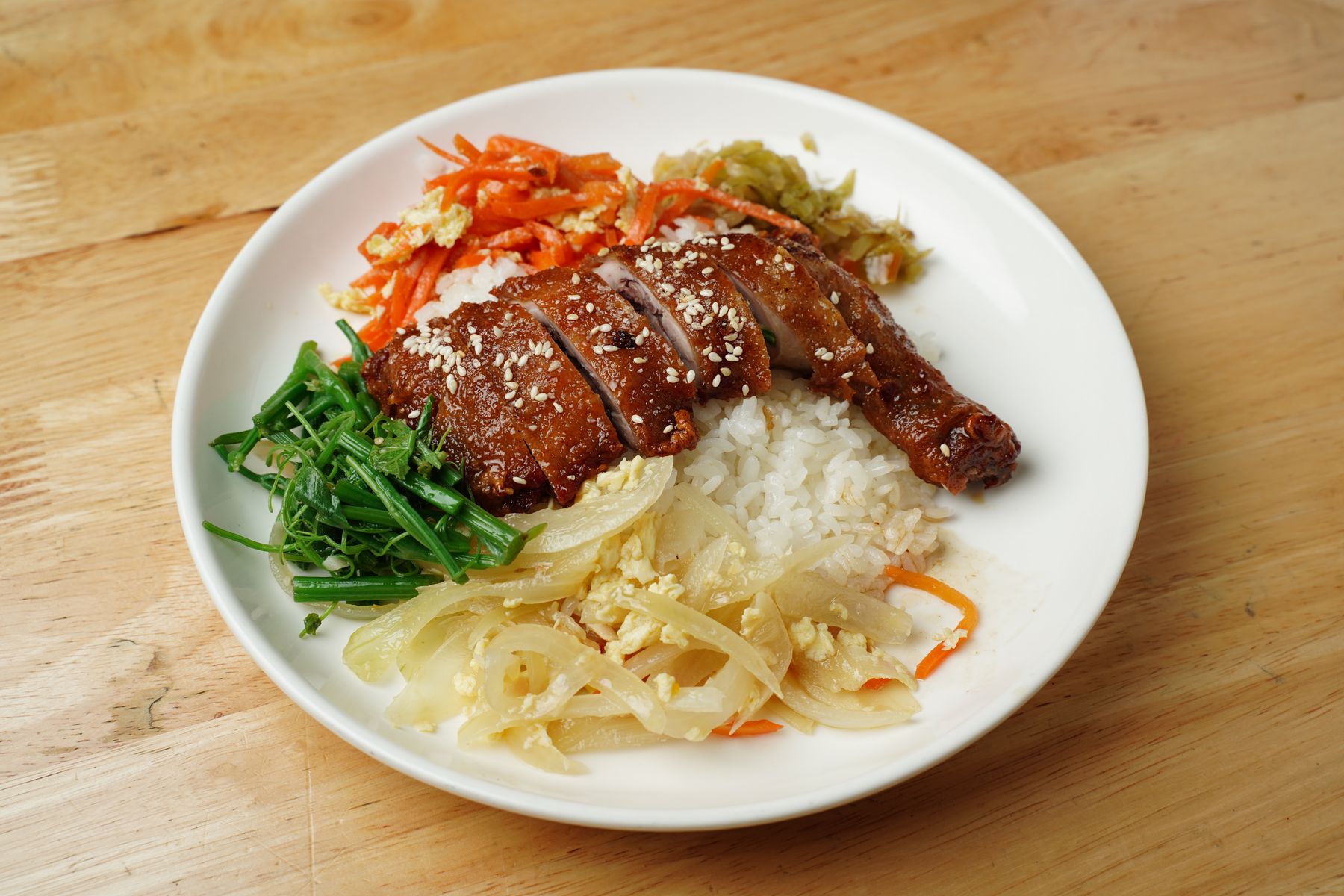
For a simple meal, I might combine rice or potatoes, chicken or tofu, vegetables, and a little oil or sauce. At breakfast, oats, yogurt, fruit, and nuts can work. These are examples, not compulsory menus. Culture, budget, allergies, preferences, and access to food all shape a sustainable choice.
Energy Balance Matters, but It Is Not a Moral Equation
Body weight can change over time when energy intake and energy use differ. That principle is useful, but real life is not as tidy as a calculator. Appetite, activity outside the gym, medication, illness, and changes in body composition can all affect what happens. I do not assume that a stalled scale means someone lacks discipline.
If I want to lose weight, I aim for changes I can maintain rather than a severe restriction that leaves me hungry and unable to train well. If I want to gain muscle, I need enough food to support training along with progressive strength work. If my weight is stable and I feel good, I may not need to change my intake at all. A clinician or registered dietitian can help when a goal is complicated by medical needs or a history of disordered eating.
Protein: Useful, but Not the Whole Story
Protein provides amino acids needed to build and maintain body tissues. People who train regularly may need more than a sedentary person, especially during strength training. But I do not tell every reader to eat 160 grams a day or assume that more is always better. Needs depend on body size, training, total food intake, age, and health.
I can make protein easier to include by choosing a source at several meals. Eggs, yogurt, fish, poultry, beans, lentils, tofu, and tempeh all count. A protein powder can be convenient if food alone is difficult to arrange, but it is not required. A person with kidney disease or another condition affecting protein intake should use individual medical advice instead of a general gym target.
I do not need to eat on an exact three-hour clock. Spreading protein across meals can be practical, but daily intake and a diet I can sustain matter more than treating a late meal as a lost opportunity for muscle growth.
Carbohydrates Help Me Do the Work
Carbohydrate-rich foods provide energy, particularly for longer or harder activity. Rice, bread, oats, potatoes, fruit, and beans are all useful options. I do not cut carbohydrates automatically on rest days or assume that a heavy training day requires a precise number of grams per kilogram. My needs change with the amount and type of activity I do.
A long run or demanding team-sport session may make carbohydrate intake especially important. An easy walk usually does not call for a special fueling plan. I use how the session feels, my hunger, and the broader training schedule to decide whether I need more food, not a universal chart.
Dietary Fat Still Belongs on the Plate
Fat is part of a balanced diet and helps with normal body functions. Olive oil, nuts, seeds, avocado, eggs, and oily fish are examples I can use. I do not need to chase a fixed “optimal” fat target to protect my hormones, nor do I need to avoid fat near every workout. Very large or rich meals may feel uncomfortable close to exercise, so timing can be guided by digestion and preference.
Before Training: Eat for the Session I Am Doing
For a short, comfortable session, my usual meals may be enough. If I am training hard after many hours without food, a familiar snack such as a banana, toast, or yogurt may help me feel better. A larger meal may need more time to digest. I pay attention to what sits well rather than copying an exact pre-workout formula.
If the session is early, I may prefer a small snack and eat breakfast afterward. If I have a medical condition that affects blood sugar, I need a personal plan. The goal is to arrive ready to move, not to force food when it makes me feel sick.
During and After Training
Most ordinary workouts do not require energy gels or a sports drink. Water and regular meals are usually enough for a short gym session. Longer endurance activity, especially at a demanding pace or in heat, can require more deliberate fluid, carbohydrate, and sodium planning. The amount depends on the session and individual sweat loss; a fixed dose for everyone can be inappropriate.
After exercise, I can eat a normal meal with protein and carbohydrate when it fits my day. I do not believe that missing a narrow thirty-minute “anabolic window” makes the workout useless. If another session is coming soon, timely food may matter more. If I am done for the day, a reasonable meal within my usual routine is a good starting point.
Hydration Without a Rigid Liter Target
I drink regularly and make more fluid available when a workout is long, hot, or sweaty. Thirst, urine color, the conditions, and how I feel can offer clues, but none is a perfect meter on its own. I do not prescribe 35 milliliters per kilogram or tell everyone to drink at fixed intervals. Overdrinking can also cause problems, particularly during prolonged endurance events.
For most everyday training, plain water and meals are enough. During a long, hot effort, sodium-containing drinks or foods may be useful, but the details are individual. If I have a condition that affects fluid or sodium balance, I follow clinical guidance.
What I Would Do with Supplements
Supplements are optional additions, not the foundation. Creatine monohydrate has evidence for helping some adults with repeated short, intense efforts and strength training, but responses vary. Protein powder is simply a convenient food product for some people. Neither replaces training, sufficient food, or sleep.
Caffeine may improve some kinds of performance, but it can also disturb sleep or cause anxiety, palpitations, and stomach discomfort. I would not tell every reader to take 200 to 400 milligrams before exercise. People with health conditions, pregnancy, medication use, or unusual sensitivity need individual advice.
Vitamin D and iron are especially poor candidates for blanket fitness prescriptions. Whether I need either depends on my situation, and excessive intake can cause harm. I would discuss testing and supplementation with a qualified professional rather than take them because a workout article says “most people” are deficient. I treat claims about testosterone boosters, fat burners, or recovery blends with similar skepticism.
Meal Preparation That Fits a Real Week
I do not need to cook six identical boxes every Sunday. I can make one or two components that reduce effort later: a pot of rice, washed vegetables, cooked beans, a protein source, or a sauce I enjoy. Then I can assemble meals in different combinations. Frozen vegetables and canned beans are useful shortcuts, not inferior choices.
Food safety matters. I refrigerate cooked food promptly, follow storage guidance, and avoid preparing more than I can safely use. If a full prep session feels overwhelming, even writing a short grocery list and planning two easy dinners can make the week smoother.

A Practical Day of Eating
Here is one flexible example, not a diet prescription. Breakfast could be yogurt with oats and fruit. Lunch could be rice with chicken or tofu, vegetables, and a sauce. Before an afternoon workout, I might have a banana if I am hungry. Dinner could be beans or fish with potatoes and a salad. I would adjust portions to appetite, training, and my own goals.
Another person’s day might look entirely different and still support fitness. Someone who eats vegetarian meals, has a night shift, or trains in the morning will arrange food differently. Variety and adequacy matter more than copying an influencer’s exact plate.
How I Know Whether the Plan Is Working
I look for patterns over several weeks. Do I have enough energy for training and daily life? Am I recovering reasonably? Am I able to eat in a way I enjoy and afford? If I have a body-composition goal, is the trend moving slowly in the intended direction without harming my health or relationship with food? These questions tell me more than one perfect tracking day.
If I feel persistently weak, dizzy, unusually fatigued, or preoccupied with food, I would seek appropriate help rather than cut more calories or add another supplement. Nutrition advice should support health as well as performance.
The Approach I Keep
My fitness nutrition plan is built from regular meals, enough energy, varied foods, and adjustments for the training I actually do. Protein matters, and so do carbohydrates, fats, fluids, sleep, and a routine I can repeat. I do not need to fear a slice of pizza or believe that one meal determines my physique.
If I change one thing, I choose something concrete: add a protein-containing breakfast, pack a snack for a long training day, or prepare vegetables before a busy week. Then I watch how it works in real life. A useful plan grows from those small, informed changes rather than from a rigid list of numbers that every reader is expected to follow.
发表回复