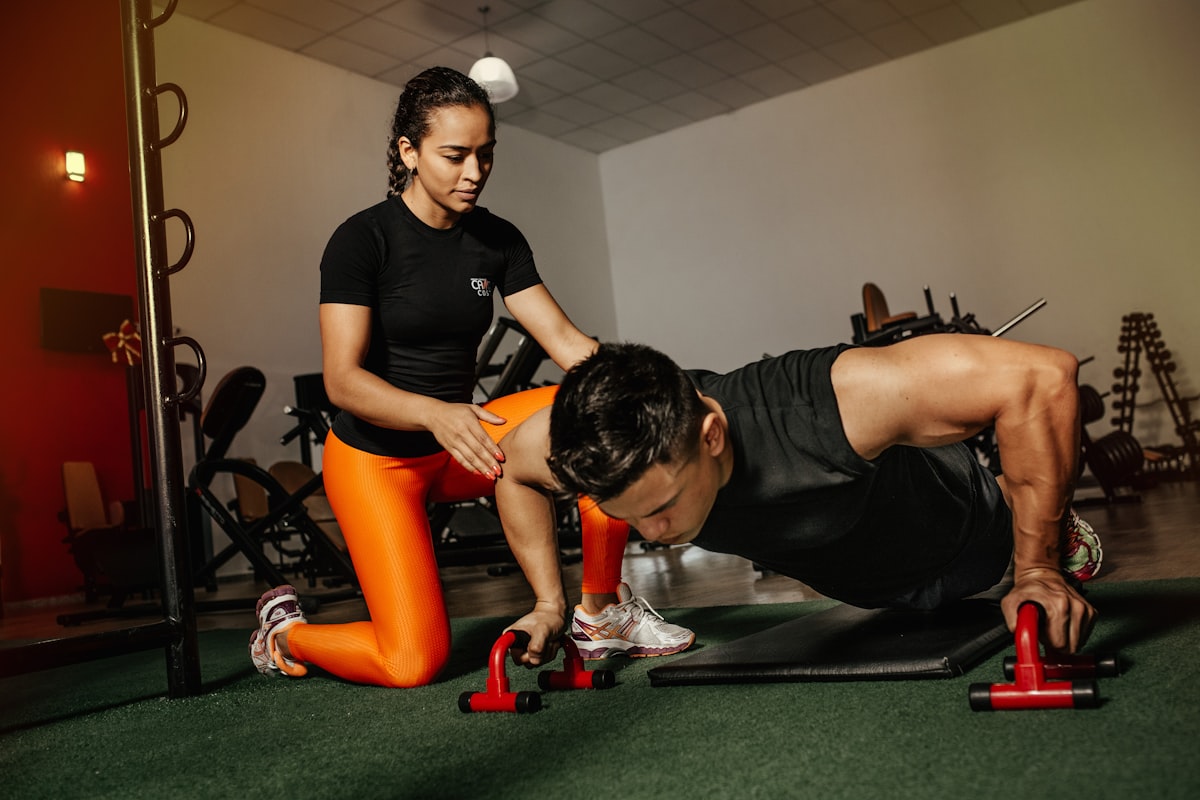
Alright, let’s talk about chest training. The bench press gets most of the attention, and I understand why: it is easy to track and satisfying to improve. But when I think about a useful upper-body programme, I want more than one impressive number. I want pressing strength I can build gradually, shoulders that feel comfortable, and a routine that still leaves room for the rest of my body.
I cannot honestly claim a particular exercise transformed my chest in a fixed number of weeks. Results vary, and appearance is only one possible goal. What I can do is put together a clear starting plan, explain how I would choose exercises, and point out where the old “push harder at all costs” advice goes wrong.
What a Chest Workout Actually Trains
The pectoral muscles help move the upper arm across the body and contribute to pressing movements. The shoulders and triceps also work during presses. That means a push-up, dumbbell press, barbell bench press, or machine press does not isolate the chest completely. The whole movement matters, including how I position my arms and whether I can control the weight.
I do not need a separate exercise for every imaginary section of the chest. A flat press and an incline press can provide useful variety, but one is not automatically worthless without the other. If a particular angle bothers my shoulder, I would adjust it. The best exercise is one I can perform comfortably, repeat, and progress.
Start With a Press I Can Do Well
For someone new to training, I like the simplicity of a wall push-up, an incline push-up against a stable bench, or a chest-press machine. Each lets me practice a pressing pattern without juggling heavy free weights. A standard floor push-up can come later. If I already have lifting experience, dumbbells or a barbell can be practical choices too.
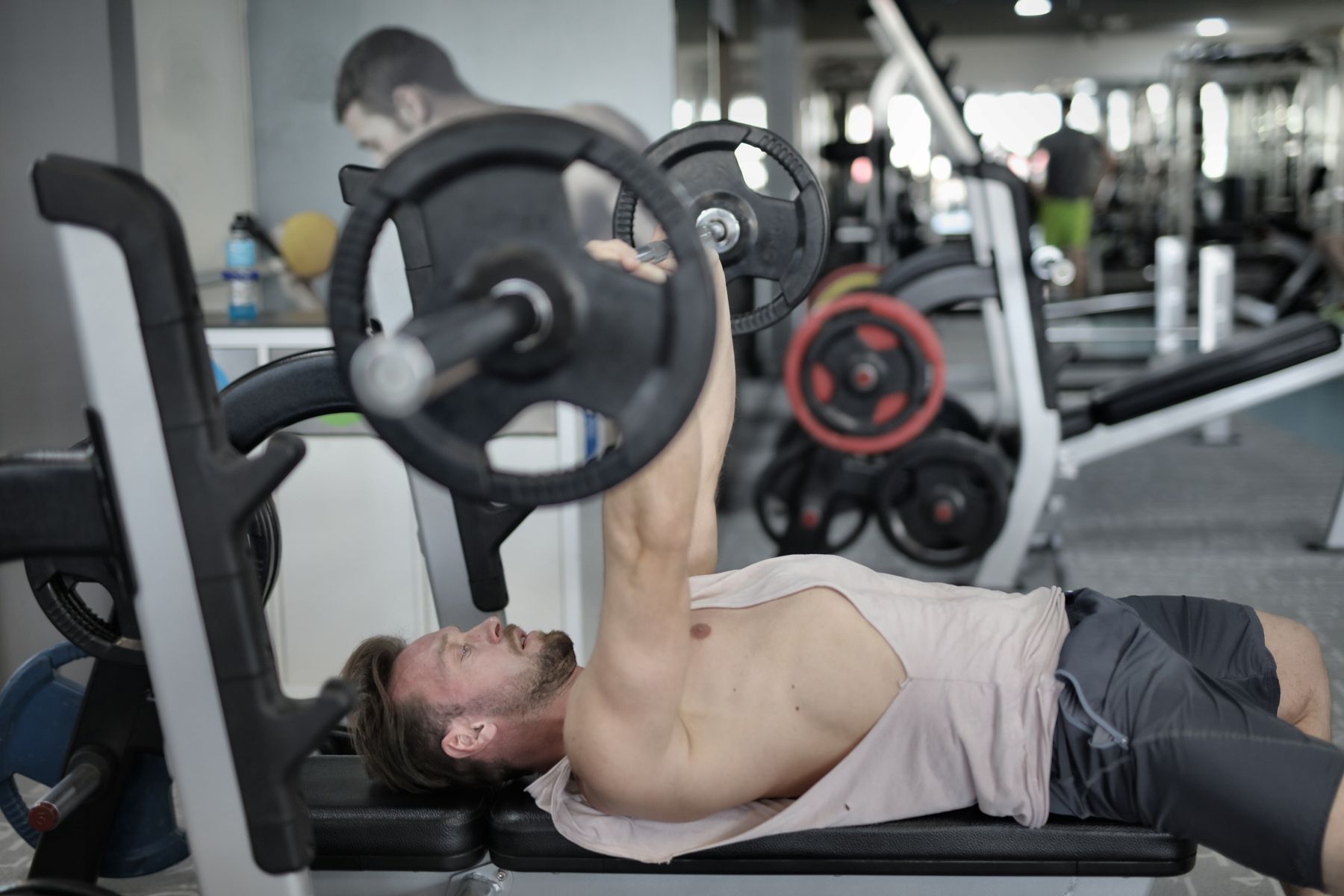
I would begin each session with a few minutes of easy movement, then practice the press with a lighter load. On a bench, I want a stable position and a controlled path down and up. My elbows do not need to flare straight out to the sides, and I do not bounce the bar off my chest. I use a comfortable range of motion rather than forcing depth that makes my shoulders complain.
Safety matters with a barbell. I would set the rack’s safety bars properly when available and use a competent spotter for a challenging set. If neither is available, I would choose a machine, dumbbells I can manage safely, or a push-up variation. There is no prize for getting pinned under a weight.
Flat, Incline, Dumbbells, and Machines
A flat bench press is a straightforward movement to track. I can add a small amount of weight or a repetition when the current load feels controlled. Incline pressing changes the angle and can give the routine variety, but I do not need an extremely steep bench. If the incline feels mostly like a shoulder exercise or irritates me, I can lower the angle or choose another variation.
Dumbbells let my arms move independently and may allow a grip that feels more comfortable. They also take practice to get into position safely, especially when heavy. A chest-press machine offers a stable alternative when I want to focus on the press without balancing free weights. None of these tools is automatically superior for every person.
Flyes can be an optional accessory exercise, but I keep them light enough to control. I do not chase the deepest possible stretch with a heavy dumbbell. Dips are another optional movement, not a required chest builder. Some shoulders do not enjoy deep dips; I would not force them just because a popular routine includes them.
How Much Work Would I Do?
I would train pushing movements on two nonconsecutive days most weeks. A beginner could start with two sets of one press each day, using a manageable resistance for roughly eight to twelve smooth repetitions. If I am recovering well, I might add a third set or a second press variation. I would count push-ups and other presses already in my programme before adding more chest work.
I do not use a “completely fried” feeling as my success measure. A challenging set can be productive without reaching absolute failure. I usually prefer to finish with a little control left, especially on a free-weight bench press. I can add effort later, but forcing the last repetition when my form is deteriorating is a poor way to show progress.
My chest also needs recovery alongside my triceps and shoulders. If pressing feels worse each session or soreness interferes with daily movement, I would reduce volume, load, or frequency. More is only useful when I can adapt to it.
A Simple Two-Day Upper-Body Plan
Here is a template I would use rather than an advanced bodybuilding split. It includes pulling work so I do not turn every upper-body session into more pressing.
- Day A: Two or three sets of a flat press or push-up variation, followed by two or three sets of a row. If time allows, add one light shoulder or triceps exercise.
- Day B: Two or three sets of an incline press or another comfortable press, followed by two or three sets of a different pull, such as a cable row or lat pulldown.
I would place lower-body work elsewhere in the week or add it to these full-body sessions. I leave a rest day between the two harder upper-body workouts when possible. If I already play a sport or do a lot of push-ups in another class, I adjust the pressing volume rather than stack everything together.
How I Would Progress
I keep a record of the exercise, weight, sets, repetitions, and how controlled the final set felt. If I can do two sets of eight with the same good movement, I can work toward ten or twelve before adding a small amount of weight. If I increase the load, I accept that the repetitions may temporarily return to the lower end of the range.
Progress is not required every week. Work stress, sleep, food, and other training can change how a session feels. I look for a trend over time. I can also progress by using a more demanding push-up angle or improving control at the same load. What I do not do is bounce, shorten every repetition, or ask a spotter to lift half the weight so I can claim a bigger bench press.
When the Shoulder Speaks Up
There is a difference between muscular effort and pain in a joint. If a press causes a sharp or persistent shoulder sensation, I stop and reassess. I might try a lighter load, a different grip, a shallower comfortable range, or a machine. If the problem continues, a qualified clinician or coach can help me understand it. I would not assume all shoulder pain is solved by a single cue like “pin your shoulders down.”
A warm-up can help me prepare for the session, but it is not a guarantee against injury. Good training also includes sensible loads, enough rest, and a willingness to change an exercise when it does not suit my body. That is more useful than treating discomfort as proof that the workout is effective.
Food, Recovery, and Realistic Results
Muscle development depends on the whole routine, not one chest day. I aim for regular meals with enough food and protein for my needs and make room for sleep. I would not prescribe a universal calorie target or promise a visible transformation in four to six weeks. Training history, genetics, body composition, nutrition, and consistency all influence what someone sees in the mirror.
If appearance is my main goal, I might use photos taken under similar conditions or simple measurements over a longer period. But I also value performance: steadier push-ups, more controlled repetitions, and the ability to train without shoulder irritation. Those changes often tell me something useful before the mirror does.
The Chest Training I Would Keep
My practical answer is less dramatic than a “mastery” secret. I would choose one or two presses that feel good, pair them with pulling work, train consistently, and add challenge gradually. I would skip the rule that every set must end in failure and the idea that a deep dip or a particular bench angle is mandatory.
A strong upper body is built through many ordinary sessions. I can make the next one count by using a manageable weight, recording what I did, and leaving enough recovery to return. That is the kind of plan I can actually follow.
发表回复