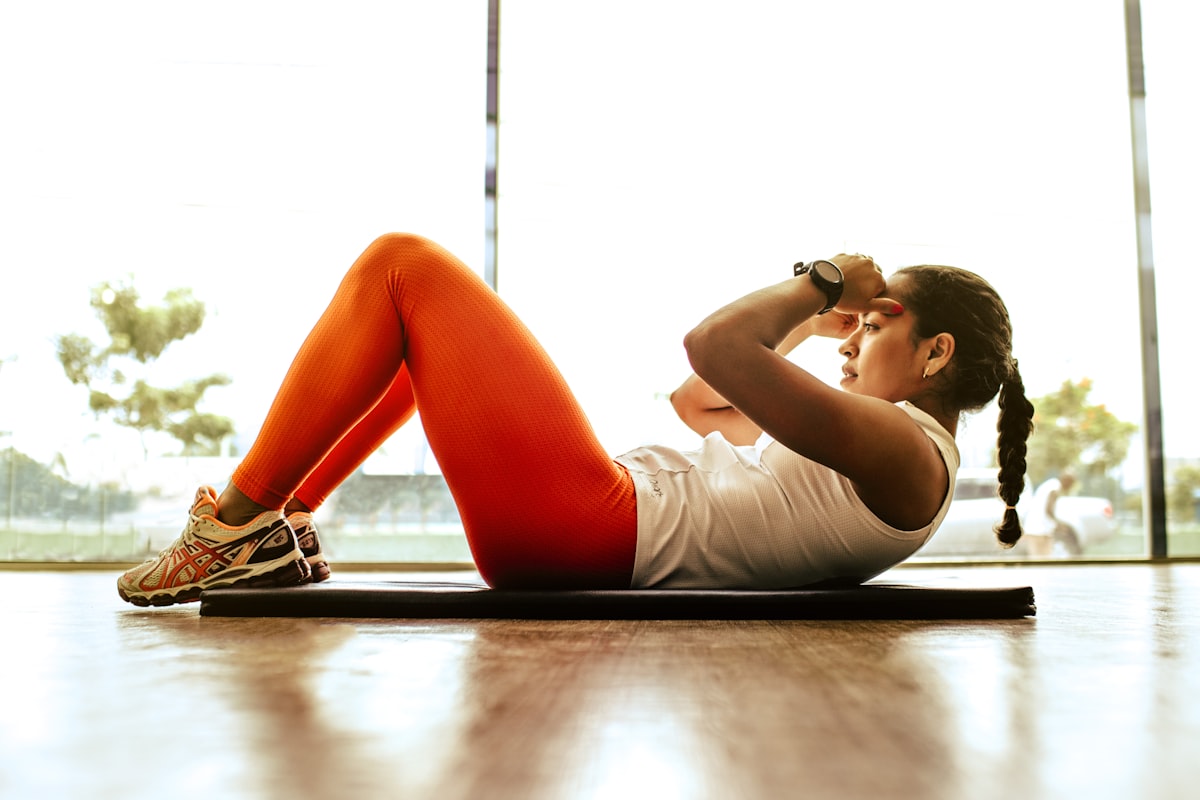
OK, let’s talk about core training. “Get a six-pack” is an easy promise to put on a workout video, but it bundles two very different goals together. I can train my trunk to move and stabilize more comfortably. Whether abdominal muscles are visible depends on more than the number of planks I do, and appearance is not a simple scorecard for health.
When I look at a core routine now, I ask a more useful question: can I learn a few movements, perform them without pain, and make them gradually more challenging? That gives me something practical to work on even if my body never matches a fitness advertisement. This guide is a starting point for adults, not a claim that one sequence will create visible abs for everyone.
What I Mean by “Core”
The visible abdominal muscles are only part of the story. Muscles around the trunk and pelvis work together while I lift, walk, carry groceries, and change position. A good core session can include resisting unwanted movement, moving deliberately through a comfortable range, and breathing while I work. I do not need to make every exercise feel like a punishment to train those skills.
Core strength also belongs inside a balanced exercise plan. Rows, carries, squats, and other movements ask the trunk to help stabilize the body. I still like a few direct core exercises, but I would not replace all other training with endless crunches. If my goal is to feel stronger in daily life, the rest of my body matters too.
Strong Abs and Visible Abs Are Different Goals
One common claim is that hundreds of crunches will remove fat from the stomach. That is not how targeted exercise works. A crunch trains muscles involved in the movement; it does not let me choose where my body uses stored fat. Overall habits and individual biology influence body composition, and fat distribution varies from person to person.
Visible abdominal definition also depends on genetics, muscle development, lighting, posture, and body-fat distribution. There is no single body-fat percentage that guarantees a six-pack for all men or all women. More importantly, visible abs do not automatically mean someone is healthier or stronger than a person without them. I can pursue an appearance goal if I want to, but I would not make it the only reason to exercise.
If changing body composition is a goal, I would focus on sustainable food choices, regular activity, sleep, and a routine that fits my life. I would skip crash diets and products that promise to “melt belly fat.” Anyone with a history of disordered eating or concerns about weight and food deserves advice tailored to their situation, not a rigid target from a blog post.
Start With Three Simple Movement Patterns
Rather than collect ten ab exercises, I would start with three patterns. First, a front plank asks me to keep my trunk steady while supporting my body. Second, a dead bug asks me to move an arm and leg while keeping control of my torso. Third, a side plank or a suitcase carry challenges me to resist tipping sideways. These choices give me variety without turning the session into a long circuit.
I use easier versions when I need them. A plank with my hands on a bench can be more manageable than one on the floor. For a dead bug, I can move only one leg at a time. A side plank from the knees can make the position easier to learn. Those are real exercises, not failures to do the “proper” version.
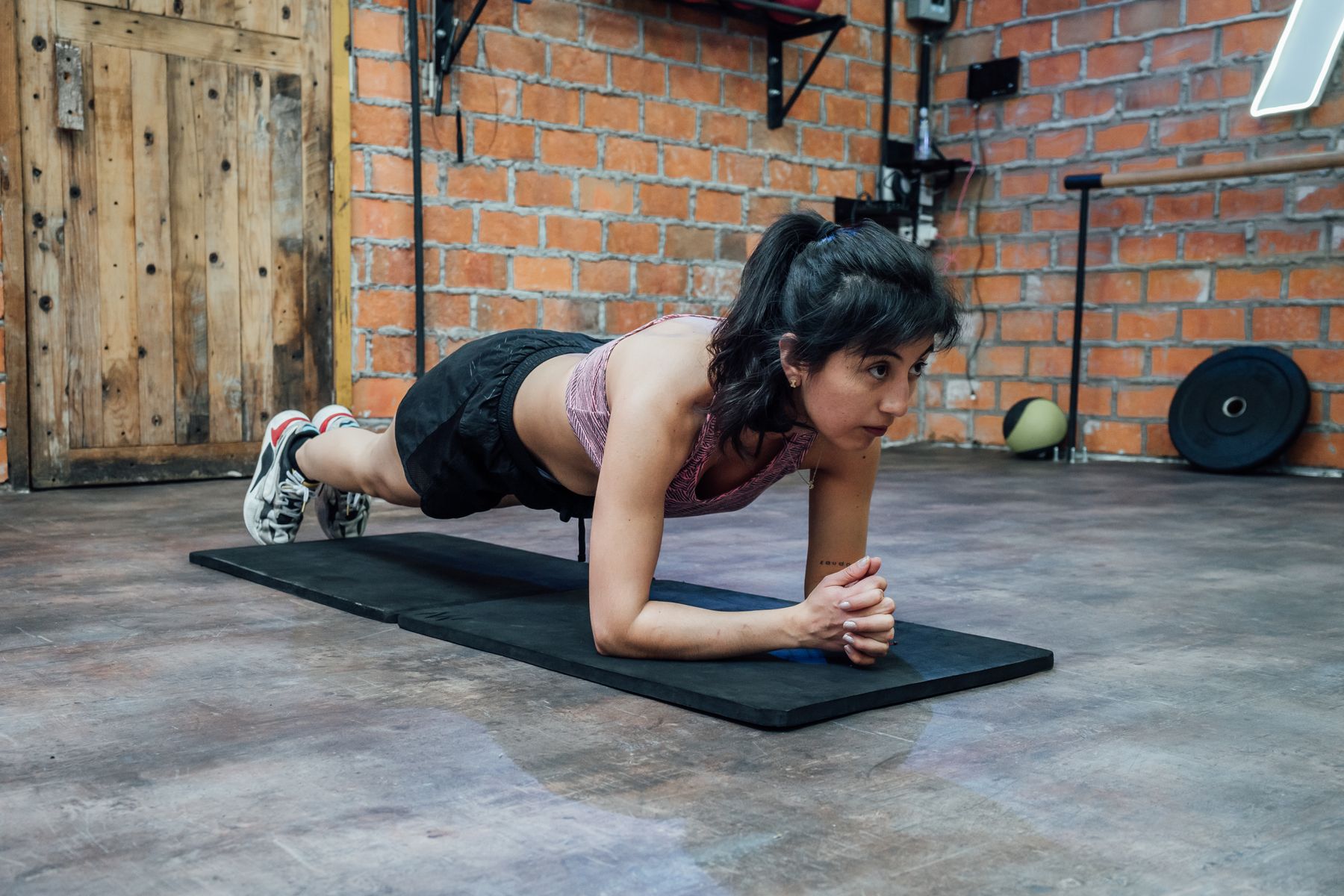
How I Set Up a Plank
I place my forearms on the floor or my hands on a stable raised surface. I step back until my body feels long and supported, then gently tighten my trunk and glutes. I try to keep my shoulders comfortable and my hips from sinking or rising sharply. The aim is a steady position, not a dramatic one-minute test.
I start with a hold that lets me breathe normally, perhaps 10 to 20 seconds, then rest. Two or three good holds are more useful to me than one long hold where I lose the position. If the floor version irritates my shoulders or back, I raise my hands or choose another exercise. Longer is only better while the movement stays controlled.
Dead Bugs, Bird Dogs, and Side Planks
For a dead bug, I lie on my back with my knees bent and arms pointing upward. I slowly move one leg and the opposite arm away, then return. I use a range where my trunk stays steady and breathing feels natural. If the movement makes my lower back uncomfortable, I shorten the reach or keep my feet closer to the floor. There is no need to force my back flat with every ounce of effort.
A bird dog starts on hands and knees. I reach one arm and the opposite leg away without twisting my torso, pause briefly, and return. I can begin with just an arm or just a leg. The movement is less about extending as far as possible and more about keeping my balance while I move.
For a side plank, I support myself on one forearm and the side of a knee or foot. I keep the hold short enough that I can stay aligned and breathe. If that position does not suit me, a light suitcase carry offers another way to challenge side-to-side trunk control. I choose the version that feels stable, not the one that looks hardest on video.
A Realistic Twice-Weekly Core Session
I can add this short session after two regular strength workouts each week. It does not require a separate “abs day.” After a few minutes of easy movement, I do the following:
- Front plank: Two or three comfortable holds of 10 to 30 seconds, resting between them.
- Dead bug or bird dog: Two sets of four to eight slow repetitions per side.
- Side plank or suitcase carry: Two short holds or carries per side, using a version I can control.
These numbers are a starting template, not a minimum. A person who is new to exercise could begin with one set of each. Someone already lifting may need only a little direct core work because their main programme includes carries and other demanding movements. I would leave at least a day between harder sessions when possible and adjust if another activity is already tiring my trunk.
How I Make the Routine Harder
I change one thing at a time. I might add a few seconds to a good plank hold, extend my dead bug reach slightly, or use a little more weight for a carry. I do not need to increase every exercise every week. When the basic versions feel solid, a controlled cable press that resists rotation can add variety, but a machine is not essential.
I track quality along with numbers. Could I breathe? Did I stay steady? Did my back or shoulders feel comfortable afterward? A longer plank with poor control is not progress I care about. Persistent pain, dizziness, or an unusual symptom is a reason to stop and seek appropriate professional guidance.
What I Would Avoid
I would avoid the “500 crunches for a flat stomach” promise. It confuses training a muscle with choosing where body fat changes. I would also avoid doing every core exercise at maximum effort every day. Muscles need time to adapt, and a routine that leaves me exhausted can make the rest of my training less enjoyable.
I would not treat all flexion exercises as worthless, either. A comfortable crunch can have a place if I like it and it does not irritate me. It is simply one option among many, not a required route to visible abs. The same applies to weighted exercises: I can add them later if they suit my goals and I can perform them well.
The Goal I Can Actually Control
My most useful core goal is not to guarantee a particular look. It is to become more capable at a few movements and keep training consistently. I can choose exercises that fit my body, practice them twice a week, and progress when the current version feels manageable. That is a clear plan whether or not my abdominal muscles ever show in a photograph.
A strong core can be part of a bigger, enjoyable fitness routine. I would give it a place alongside walking, strength work, sport, and rest, then judge it by what I can do rather than by an online “six-pack” deadline. That approach is much easier to live with, and much more useful to me.
发表回复