Strength and power sound similar, but I think about them differently when I plan a workout. Strength is about the force I can produce. Power also involves how quickly I produce it. A person who lifts a heavy weight may still need practice moving quickly, landing well, or accelerating. I find that distinction more useful than a dramatic story about one lift and one box jump.
This is my practical guide to adding some power work to a regular fitness programme. I will explain the basic idea, give a modest starter session, and show where I would draw the line before a drill becomes too advanced. I am not claiming a personal 405-pound deadlift or a guaranteed jump-height result. The goal is a repeatable way to train, not a stunt.
What Anaerobic Power Means in Practice
Short, demanding efforts draw heavily on energy pathways that can supply energy quickly. Those pathways do not switch on and off at exact time marks; they overlap. A brief jump, a short acceleration, and a harder 30-second bike effort all place different demands on the body. I do not need to memorize a rigid “eight-second system” and “two-minute system” before deciding how to train.
For a power-focused session, I care about the quality of each effort. If the goal is to jump or throw quickly, I leave enough rest that the next attempt can be controlled. A long circuit that leaves me gasping may improve conditioning, but it is a different workout. I choose the format that matches the goal instead of calling every hard interval power training.
Why Strength Still Matters
General strength gives me a useful foundation. Squats or step-ups, hip hinges, pushes, pulls, and carries help me practice controlled movement and build capacity over time. That does not mean I must reach a particular squat number before doing a small jump. The original article’s rule that everyone needs to squat bodyweight for ten repetitions was arbitrary and could shut out people who can safely start with simpler power drills.
I can train strength and basic movement skills alongside each other. A person new to exercise might begin with brisk walking, sit-to-stands, low step-ups, and gentle fast movements without leaving the ground. Someone with more experience can gradually add small jumps, throws, or short accelerations. The important question is whether I can perform and recover from the task, not whether I have passed a single lifting test.
Start With the Landing, Not the Box Height
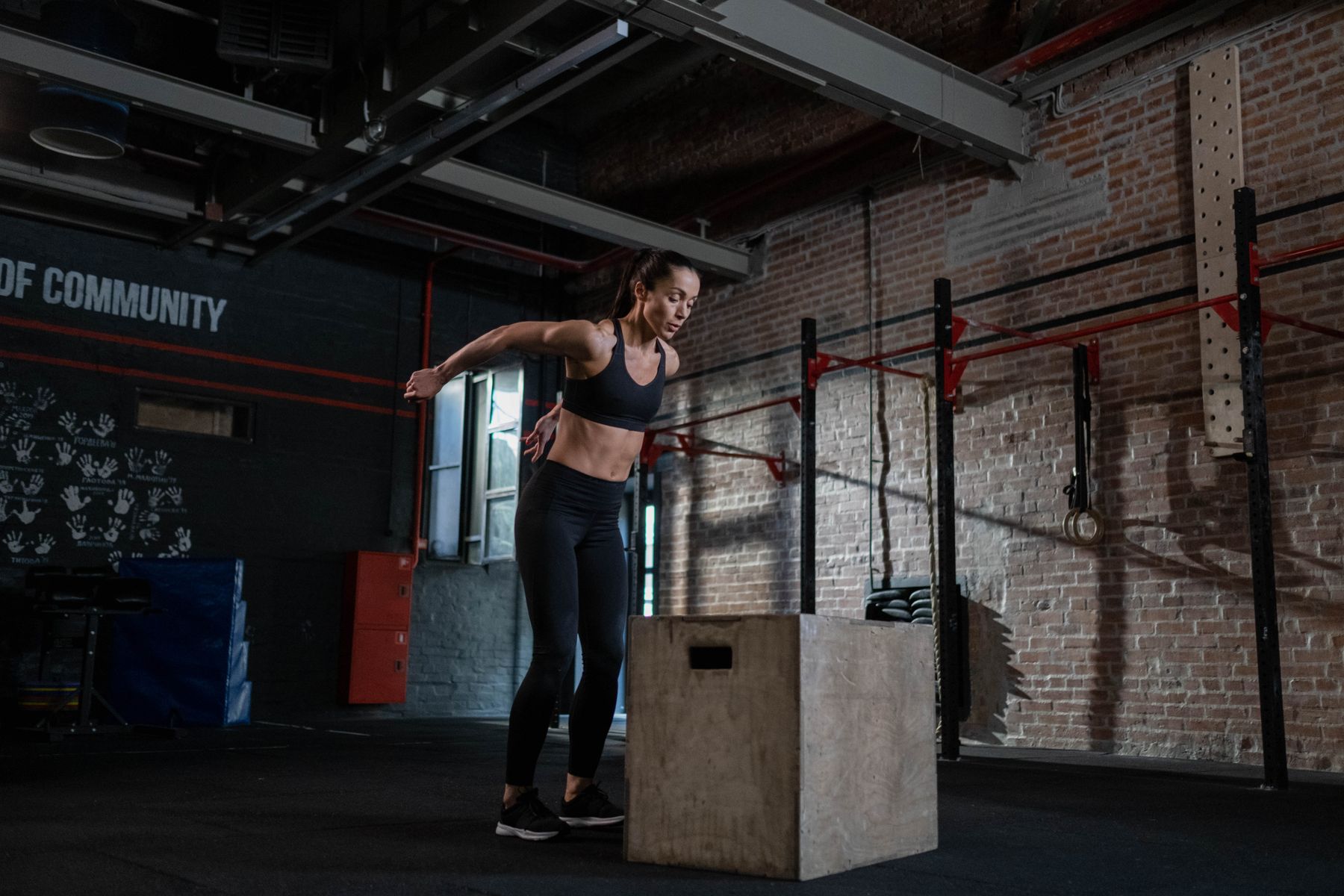
Jumping is attractive because it is easy to see. I would begin with a small hop or a low jump on a clear, non-slip surface and practice landing quietly with balance. I can stop between repetitions, reset my stance, and check that my knees and feet feel comfortable. I do not need a tall box, a depth jump, or dozens of contacts to make the session worthwhile.
A box jump can reduce the distance I fall back to the floor if I step down, but a high box also creates a tripping risk and can reward tucking my knees rather than jumping higher. I choose a low, stable box only when the basic jump feels controlled. I step down instead of repeatedly jumping down. If my landings become loud or my balance gets sloppy, I end the set.
Medicine-Ball Throws Offer Another Option
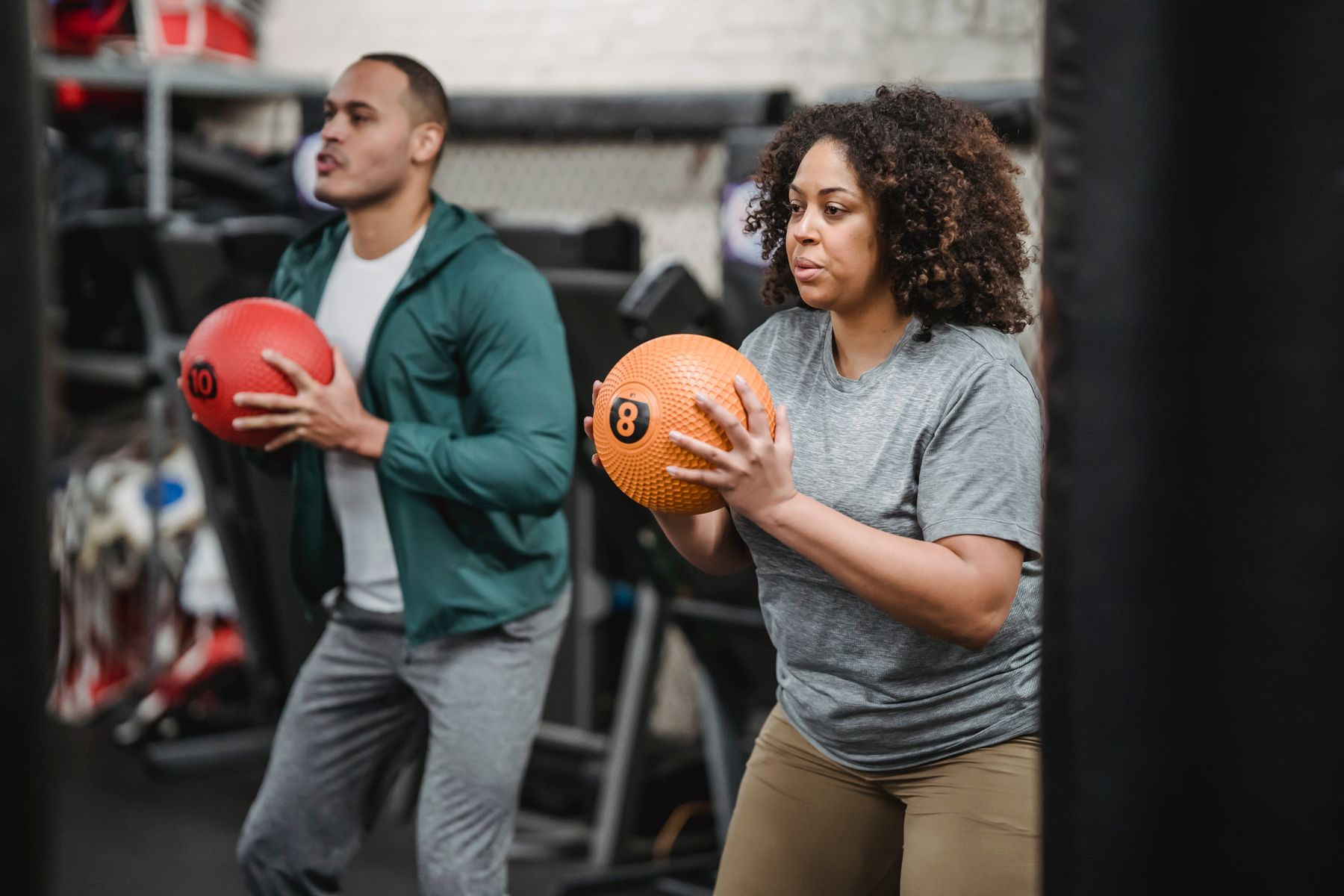
A light medicine ball lets me practice sending an object away with speed. I would use a clear space and a wall or partner setup designed for that activity, then start with a weight I can move smoothly. A chest pass or gentle rotational throw can be enough. I do not need to choose the heaviest ball in the room.
Throws also remind me that power is a skill. I can focus on a quick, coordinated movement and stop while the repetitions are still sharp. If I am straining slowly, the ball is too heavy for the purpose of that drill. If I have no safe place to throw, I can skip it and use another movement.
Short Accelerations Before All-Out Sprints
Running sprints can be demanding on the muscles and joints, especially when I have not run regularly. I would first build comfortable walking and jogging, then practice short, controlled accelerations on a level surface. I start at a pace where I can slow down smoothly. Several good runs with generous walking recovery are enough for a first session.
If running does not fit, a stationary bike can provide short faster efforts with less need to manage ground impact. I can still warm up, build speed gradually, and leave enough easy pedaling between rounds. A bike sprint and a running sprint are not interchangeable for sport technique, but both can be useful ways to vary effort.
Where Heavy Lifting Fits
I would not tell a general reader to lift 80 to 90 percent of a one-repetition maximum “as fast as possible.” A heavy load can move slowly even when the lifter intends to be quick, and rushed technique raises the stakes. For a recreational programme, I would keep heavy strength work controlled and separate it from the simpler power drills.
Olympic lifts can develop power in coached settings, but they are technical skills, not a requirement for everyone. I can get a useful introduction to quick movement through low jumps, medicine-ball throws, or short accelerations. If I want to learn a clean or snatch, I would seek qualified instruction and use appropriately light practice loads.
A Starter Power Session
I would add this brief session once a week after I have a base of regular activity. I start with five to ten minutes of easy movement and a few gentle practice repetitions. Then I choose one or two of the following, rather than trying to do them all:
- Low jump or hop: Two or three sets of three controlled repetitions, resting enough to reset between attempts.
- Light medicine-ball pass: Two or three sets of three to five crisp throws in a safe space.
- Short acceleration: Three to five controlled runs of about 10 to 15 seconds, walking back and resting between them.
I would stop the session while the movements still feel coordinated. Afterward, I can do ordinary strength work at a manageable load, or put the power practice on a separate day. If I already play a jumping or sprinting sport, I count that workload before adding more. More sessions are not automatically better.
How I Progress
I change one variable at a time. I might add one repetition to a set, try a slightly longer acceleration, or use a small increase in ball weight. I do not add height, speed, and volume together. I also leave recovery time between harder sessions so I can judge how my body responds. If my legs remain sore or landings deteriorate, I reduce the work.
Progress is not only a bigger box or faster stopwatch reading. A quieter landing, a more balanced change of direction, or a throw that feels coordinated can be meaningful. Those are skills I can practice without pretending that each session must break a record.
When to Scale Back
Power drills should feel purposeful, not painful. If I feel sharp pain, unusual dizziness, or a joint that becomes more uncomfortable with each repetition, I stop. If a movement is technically unfamiliar, I make it simpler. A coach or qualified clinician can help when a persistent issue needs individual attention.
I also consider the surroundings: a stable box, enough room to run or throw, and people who are not standing in the path of a ball. Good equipment and space are part of the workout. They matter more to me than adding another advanced exercise to the list.
The Power Training I Would Keep
My useful takeaway is simple: develop basic strength, practice a small amount of quick movement, rest enough to keep the efforts sharp, and progress gradually. I do not need a fixed squat threshold, a very heavy fast lift, or a dramatic injury story to justify the plan.
Explosive ability is specific and trainable, but it does not appear overnight. I would start with movements I can control, repeat them consistently, and let the quality of the next session guide what comes after. That is a much more practical definition of power than trying to prove how high I can jump on day one.
发表回复