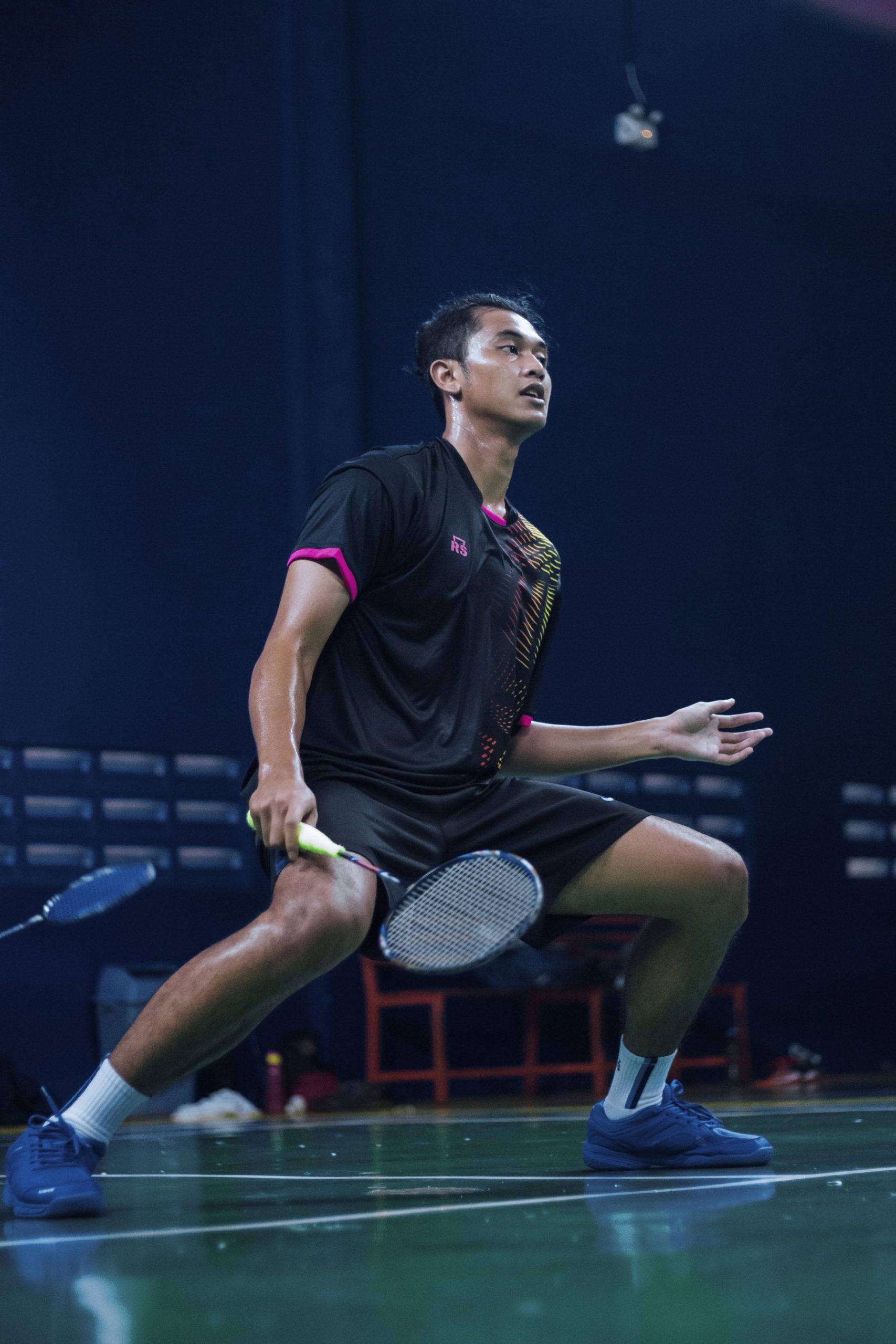
OK so. Badminton fitness.
I thought I was in shape. I go to the gym. I run sometimes. I can hold a plank for… a while.
Then I played badminton with someone who knew what they were doing. And I got absolutely destroyed.
Like, embarrassingly destroyed. I was sweating within five minutes. My legs were burning. I couldn’t get to half the shots. And this person wasn’t even a pro — they just played regularly.
That’s when I realized badminton isn’t just a casual backyard sport. It’s legit athletic. Really athletic. And if you want to be good at it (or even just not embarrass yourself), you need to train for it.
So here’s everything I’ve learned about getting badminton-fit. Spoiler: it’s harder than it looks.
Why Badminton Will Wreck You (In a Good Way)
Alright. Let me paint the picture.
At elite level the shuttle can move extraordinarily fast, but the part that surprised me as a beginner was the pace of each rally: react, move, hit, recover, and do it again.
But it’s not just the speed. It’s the movement. You’re constantly changing direction: moving forward for a net shot, recovering, and then reaching toward a rear corner. The repeated efforts can feel like intervals, though the intensity depends on the players and the length of the rally.
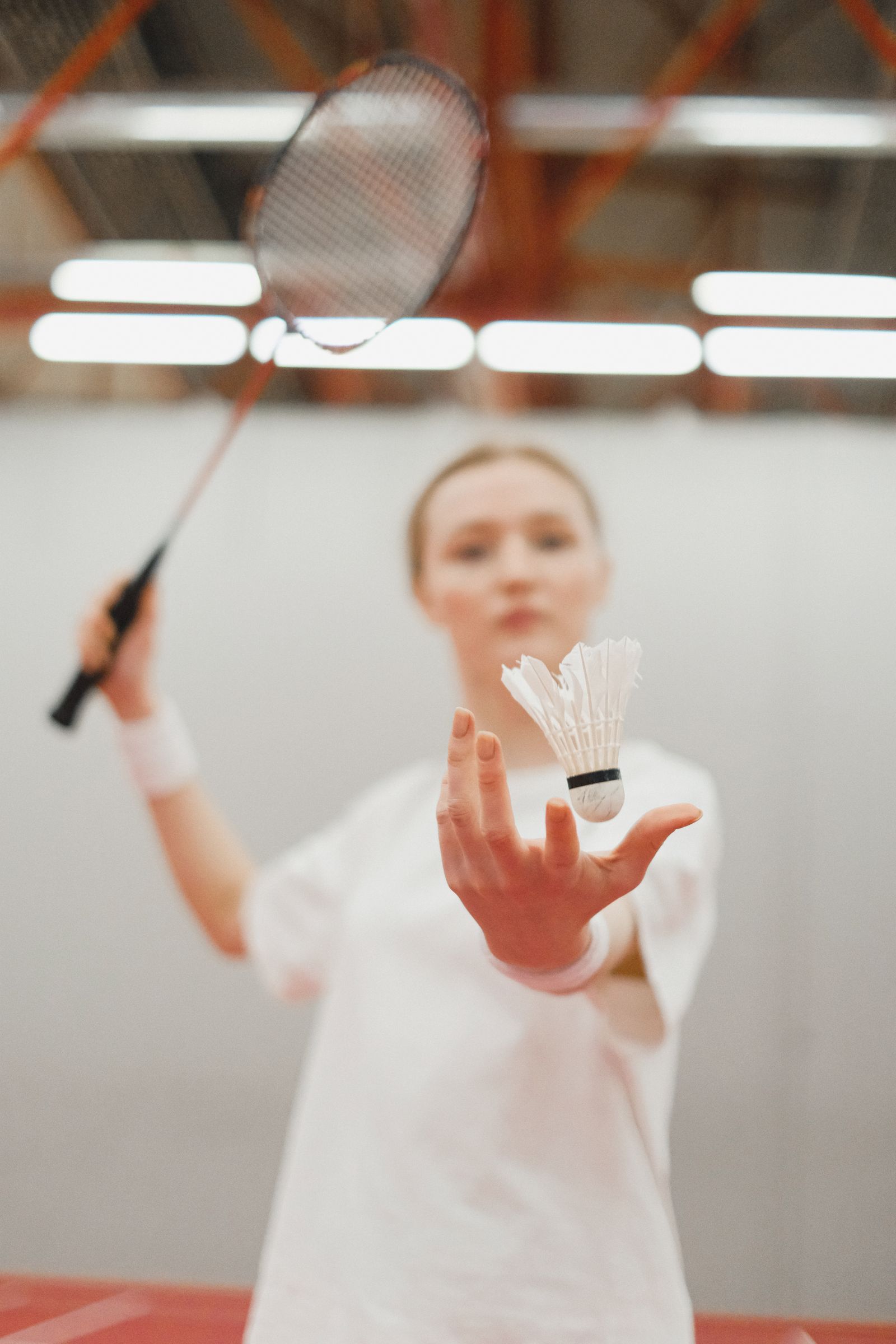
I remember my first few sessions. I could barely finish a game without needing to sit down. My cardio just wasn’t built for those bursts of sprinting.
The Fitness Pieces You Actually Need
If you want to get better at badminton, here’s what you need to work on:
Cardio (The Non-Negotiable)
Badminton rewards the ability to move quickly, settle your breathing between rallies, and repeat. Both general aerobic fitness and short, controlled bursts of effort can help.
I started with short movement intervals at a pace I could control, then increased the number of rounds gradually. There is no need to sprint flat out on day one.
Leg Strength and Agility
Your legs do everything in badminton. Lunges, squats, jumps, shuffles — your quads and calves are going to get a workout.
I added lunges to my gym routine. Lots of them. Forward, backward, side lunges. My legs hated me at first. Now they’re (slightly) less angry about it.
Core Stability
You’re reaching, twisting, jumping. Your core keeps you stable. If your core is weak, you’ll be off-balance constantly.
Planks. Side planks. Russian twists. Boring? Yes. Effective? Also yes.
Upper Body (But Not As Much As You’d Think)
People think badminton is all about arm strength. It’s not. Good strokes use coordinated movement through the legs, trunk, shoulder, and arm, plus sound timing. Arm strength alone is not enough.
That said, you do need some upper body strength for control and endurance. Pushups, rows, shoulder stability work. Keep it functional.
My Training Routine (What Actually Works)
OK so. Here’s what I do now, roughly:
Conditioning, once or twice a week: After an easy warm-up, alternate 20-30 seconds of brisk movement with 60-90 seconds of easy movement for 6-8 rounds. Keep enough control to move well; build up only when recovery is comfortable.
Strength training, once or twice a week: Practice squats, controlled lunges, a hip hinge, rows, and simple trunk stability work. Start with light loads and add more only when the movements feel stable.
Footwork practice, once or twice a week: Work on the split step, one or two steps toward a corner, and a balanced recovery to your base position. I can practice the pattern in a clear space without a shuttle before trying it at game speed.
Court time when available: Nothing replaces playing the sport. One or two sessions a week is a useful starting point if it fits your schedule and recovery.
A Court-Ready Footwork Session I Can Actually Repeat
When I tried to improve, I first made the mistake of turning every drill into a race. I moved fast for twenty seconds, lost my balance, and practiced arriving at the shuttle in a terrible position. Slowing down helped more.
Here is a simple session I can fit around a game. After warming up, I start in a ready stance near the middle of my court. I make a small split step, move toward one front corner, imagine playing a net shot, and return in control. I repeat on the other side, then practice moving toward the two rear corners. Six to eight careful repetitions per direction are enough to notice where my balance disappears.
The important part is the return. Reaching one shot does not help much if I am stranded there for the next one. I try to finish each pattern facing the net, with my feet underneath me, before increasing the speed. On court, a partner can feed easy shuttles to those same areas. We keep the feeds predictable at first and add variety only when I can move without lunging wildly.
If a knee, ankle, or shoulder starts to hurt, I stop the drill and review the movement. Tired legs are one thing; pain is not a target. Badminton shoes with suitable grip for the court also make those changes of direction feel more controlled than worn running shoes.
Recovery Is Part of the Plan
My old idea of a productive week was to stack hard workouts on top of games. That made every session feel like a test. Now I leave easier days between demanding court sessions when I need them. A walk or gentle mobility session still gives me something to do without pretending every day must be intense.
I pay attention to how I move in the first few rallies. If I cannot reach the shuttle because I am still sore from heavy leg work, that tells me to adjust the schedule rather than push through another maximal session. Sleep, food, and time away from hard lunges matter too. The exact number of sessions will look different for someone who is new to exercise and someone who already trains regularly.
The aim is to come back ready to play, not to collect the most exhausting week possible.
The Mistakes I Made (So You Don’t Have To)
Let me save you some time. Here’s what NOT to do:
Only doing cardio: Cardio is important, but if your legs give out after three lunges, you’re in trouble. You need strength too.
Skipping warmup: I once rushed onto court without preparing and regretted it. Start with a few minutes of easy movement, then gentle side steps, lunges, and practice swings before fast rallies. A warm-up helps you feel ready, though it cannot guarantee you will avoid injury.
Not training footwork: You can have the strongest smash in the world, but if you can’t get to the shuttlecock, it doesn’t matter. Footwork is everything.
Trying to hit too hard: Power comes from technique, not brute force. I spent months trying to smash everything and just ended up tired and ineffective. Work on technique first.
Getting Better (It’s a Slow Process)
Look. I’m not amazing at badminton now. I’m… OK. I can rally consistently. I can cover most of the court. I win some games.
But I’m so much better than when I started. And that feels good.
If you’re just starting out, here’s my advice:
– Get on a court and play. A lot.
– Do some fitness training on the side.
– Watch better players and learn from them.
– Be patient. It takes time.
And if you get destroyed in a game? Good. That means you’re learning.
—
Want to get better at badminton?
– Play more: Find a local club or regular partner.
– Train smart: Focus on cardio, legs, and core.
– Watch videos: YouTube has great footwork and technique videos.
– Be consistent: A little bit regularly beats a lot occasionally.
Tags: #BadmintonFitness #Training #Cardio #Agility #CourtDominance #BadmintonTraining #GetBetter
发表回复