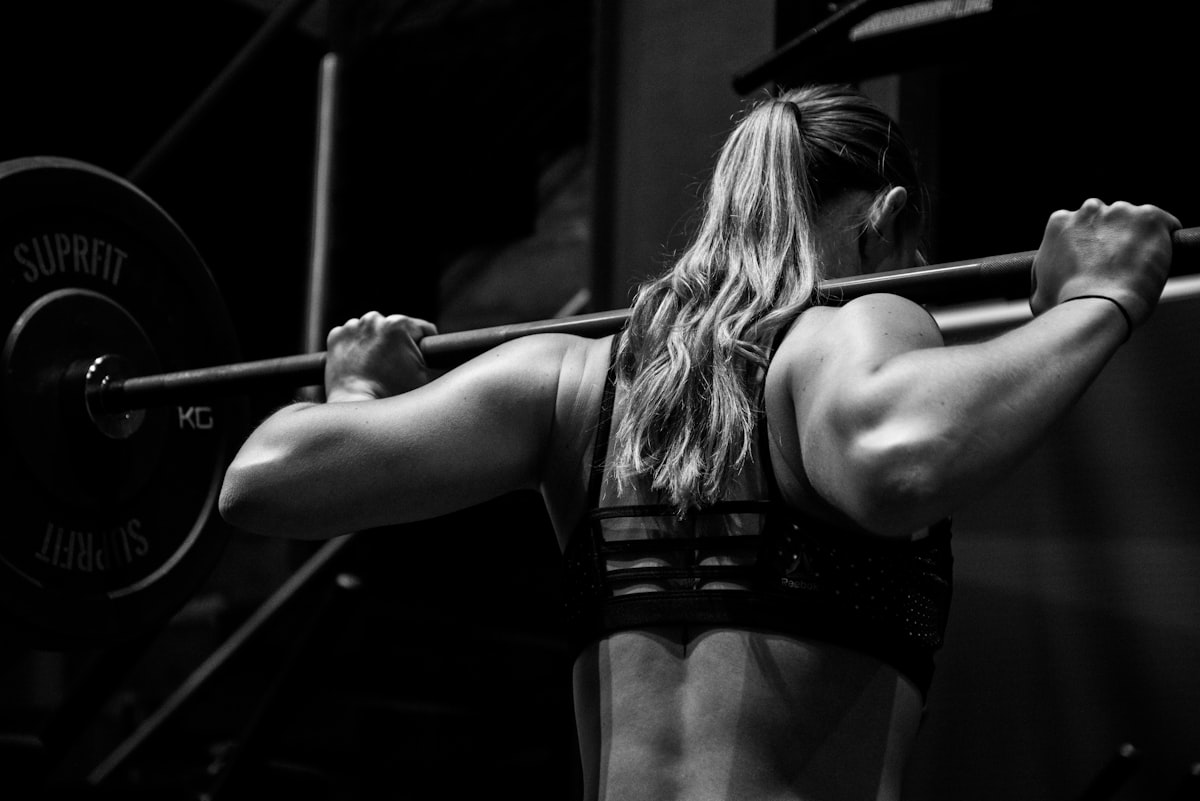
So, leg day. It is easy to treat it as the workout I “should” do and then postpone. I would rather give it a clear purpose. Stronger legs can make it easier to stand up, climb stairs, hike, run, play sport, and carry things. I do not need a dramatic session that leaves me walking strangely for three days. I need a plan I can return to.
The old advice that every leg workout must be heavy and miserable is not very useful to me. This guide is my practical starting point: train a few movement patterns, choose versions that suit my body, progress slowly, and allow enough recovery. It is written for general fitness, not as a promise that any one exercise will prevent injury or change my body on a fixed schedule.
What I Want From a Leg Session
I think of lower-body training in four patterns. A squat or step-up asks me to bend at the hips and knees and stand again. A hip hinge, such as a Romanian deadlift, places more attention on the back of the legs and hips. A single-leg movement challenges balance and control. A calf raise or another ankle-focused movement rounds out the session when it fits.
These patterns cover useful ground without requiring every machine in the gym. They also help me notice what I am neglecting. If I only do one quad-heavy exercise, I may want to add a hinge. If I only pull heavy weights from the floor, I may benefit from a controlled step-up. Variety can be simple and deliberate.
Squats Are Useful, but There Is No Mandatory Version
A squat can begin as sitting down on a stable chair and standing up again. I can change the chair height or hold onto a rail while I learn. A goblet squat with a light dumbbell is another option. A barbell back squat can be useful later if I want to learn it, but it is not the entry fee for stronger legs.
I choose a stance and depth that feel comfortable, keep my feet stable, and stand with control. My knees can travel forward; I do not need to force an artificial position. The goal is to move through a range I can own rather than copy a photograph of someone with different proportions. If a squat hurts, I adjust the range, load, or exercise and seek qualified help when pain persists.
The claim that heavy squats release hormones and therefore make the entire body grow is too simple. My reason to squat is more direct: it is one way to practice and strengthen a useful movement. I would not use a temporary hormonal change as a reason to load a bar before I am ready.
Hinges Train a Different Job
A hip hinge teaches me to bend mainly at the hips while keeping the weight close and the movement controlled. I can practice without a weight by pushing my hips back toward a wall. Then I might use a light dumbbell or kettlebell for a Romanian deadlift. I keep the range modest if that helps me maintain a stable trunk and avoid discomfort.
A conventional deadlift from the floor is another option, but I do not need it in every leg programme. The height of the handles, my mobility, and how the movement feels all matter. A raised starting position or a different hinge may fit better. The label “best exercise” matters less than whether I can perform it consistently.
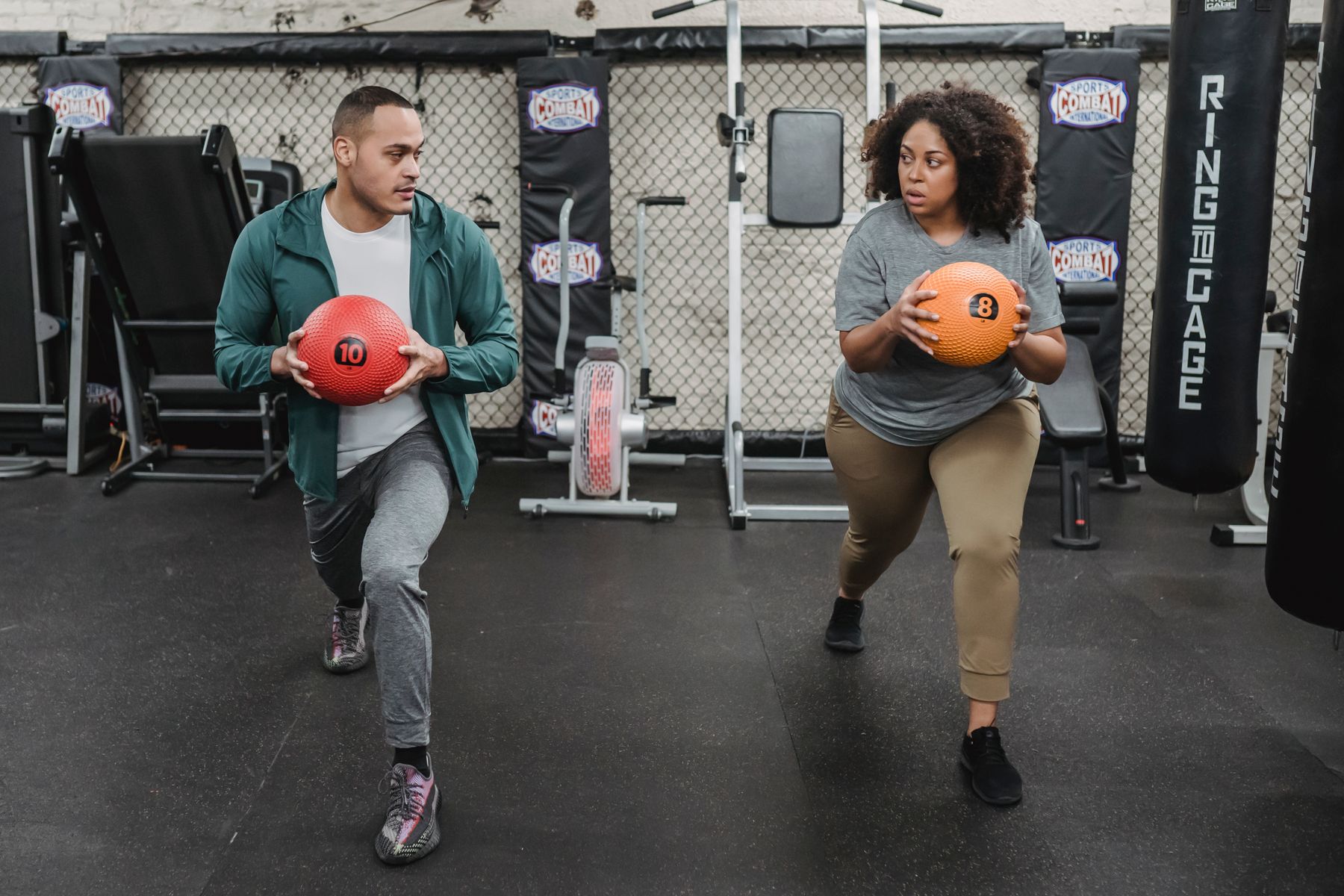
Single-Leg Work Does Not Have to Be Complicated
Step-ups, split squats, and reverse lunges all let me train one side at a time. I begin with a low step or a short, supported stance. I can hold a wall or rail while I learn the movement. There is no shame in making a lunge easier; balance is part of the task.
I would not assume every left-right difference needs a special “fix.” Most people have a side that feels steadier. I can use similar work on each side and watch for changes over time. If one side is painful or suddenly much weaker, that deserves more attention than simply adding extra repetitions.
What About Leg Press and Hamstring Curls?
I like machines as tools. A leg press can provide a stable way to train a knee-bending movement, and a hamstring-curl machine can add work for the back of the thighs. They are not inferior just because a barbell squat looks more impressive. I set the machine so I can move comfortably and avoid forcing an extreme range.
I also would not say a leg press replaces every other movement. It has different demands from a squat or step-up, especially for balance and trunk control. That is fine; exercises do not need to be identical to be useful. I choose the mix that suits my goals, equipment, and comfort.
My Simple Two-Day Leg Plan
For general fitness, I would start with two lower-body sessions each week, separated by at least a day when possible. I can put them inside full-body workouts. Here is a template I could actually repeat:
- Day A: Two sets of a squat or sit-to-stand, two sets of a light hip hinge, and one or two sets of a supported step-up. If I want, I finish with calf raises.
- Day B: Two sets of a leg press or goblet squat, two sets of a Romanian deadlift or another hinge, and one or two sets of a reverse lunge or hamstring curl.
I aim for roughly six to twelve controlled repetitions per set on most of these movements, using a range that feels manageable. I rest long enough to keep the next set steady. These numbers are a starting template, not a rule for everyone. If I am new, one set of each movement may be enough for the first week. If I already play sport or run hills, I count that effort when deciding how much lifting to add.
How I Progress Without Chasing Soreness
I write down the exercise, load, repetitions, and how the final set felt. Once I can complete the work with consistent form, I might add one repetition, a little weight, or a third set to one exercise. I do not increase every variable at once. A small, repeatable improvement matters more than a spectacular session that I cannot recover from.
Soreness can appear when I try a new movement, but it is not my scoreboard. If my legs are sore enough that walking downstairs is difficult, I scale back next time. If performance keeps dropping or pain changes how I move, I take that seriously. More weight is not automatically better, and a belt does not make an unsafe load safe by itself.
Warm Up and Fit Training Around Life
Before lifting, I do a few minutes of easy walking or cycling and then lighter versions of the movements planned for the day. A few controlled bodyweight squats and a light practice set can help me assess how I feel. I do not need a long ritual, and no warm-up guarantees I will never get hurt.
If I have a long run, a match, or a demanding work shift, I plan around it. Putting my hardest leg session immediately before an important game would make little sense. Easy cardio and strength can live in the same week; I simply adjust the timing and amount to my priorities. Recovery is part of the schedule, not a reward for surviving it.
What Stronger Legs Can and Cannot Promise
Leg strength can support many activities, but it is not an automatic injury shield or a guaranteed fat-loss method. Those outcomes depend on many factors. I also cannot promise visible changes in four to six weeks. People start at different levels and respond differently to training, food, and rest.
What I can measure is more modest and useful. Is it easier to rise from a chair? Can I perform a step-up with better balance? Am I using a little more resistance with the same control? Can I recover and come back for the next session? Those signs tell me whether the routine is serving its purpose.
Why I Would Keep Leg Day
I do not need to “dominate” leg day to benefit from it. I can choose a squat pattern, a hinge, and a single-leg movement, practice them regularly, and progress when I am ready. That gives me a clear plan without making a barbell or exhaustion the goal.
Leg training works best for me when it supports the rest of my life. If I can train, recover, and still enjoy walking, sport, and ordinary movement, I am far more likely to keep doing it. That consistency is the part I would bet on.
发表回复