I used to think flexibility was a separate hobby from strength and cardio. I would finish a workout, remember that stretching existed, and either rush through it or skip it. What changed my approach was noticing that the movements I wanted to do comfortably mattered more than a dramatic toe-touch test. I began asking a better question: do I have enough comfortable, controllable range for the activities I choose?
That question leaves room for individual differences. Not everyone needs to squat to the same depth, touch their toes, or perform an impressive yoga pose. Limited range does not automatically mean I will be injured, and more range is not always better. I want mobility work to help me move with confidence, not turn ordinary stiffness into a diagnosis.
What I Mean by Flexibility and Mobility
Flexibility usually describes how far a muscle and joint can move when I relax into a position or use assistance. Mobility is a broader practical idea: how much of that range I can use with control during a task. The terms overlap, and I do not need a perfect scientific boundary between them to plan useful exercise.
For example, I may be able to pull my knee toward my chest while lying down but feel less comfortable balancing on one leg during a step-up. Stretching might help me explore a range; strength and balance practice can help me use it. The task tells me what to work on.
Why I Do Not Use Toe-Touching as a Health Test
Touching my toes can reflect hamstring range, hip movement, arm length, body proportions, and how I choose to bend. Failing the test does not prove that my back is unhealthy or that I need twenty minutes of stretching every day. If my goal is to hinge for a deadlift, I would practice a comfortable hinge and assess how I move with that exercise.
I also avoid treating stiffness as a single cause of pain. Pain can have many contributors, including load, sleep, stress, injury history, and health conditions. A mobility drill may feel helpful, but it is not a guaranteed prevention or cure for back, knee, or shoulder pain.
Static Stretching: A Simple Tool
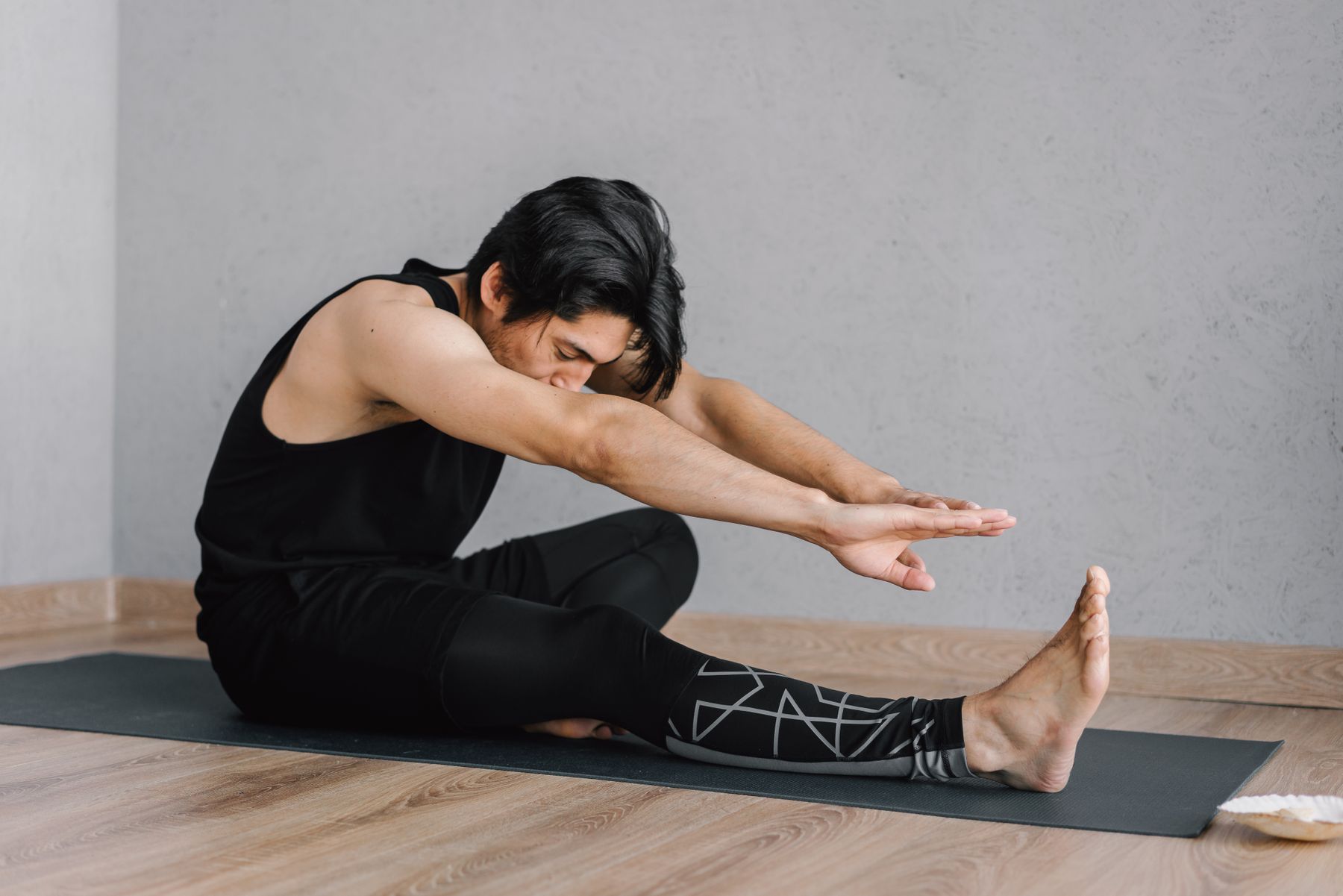
Static stretching means moving into a position that feels like a mild to moderate stretch and holding it. I breathe normally and avoid bouncing or forcing the joint. A comfortable hold of around twenty to thirty seconds can be a starting point, and I can repeat it if I want more practice. I stop if I feel sharp pain, numbness, or a concerning symptom.
Static stretching can increase range of motion over time. I use it when flexibility itself is a goal or when a particular area feels limited during an activity I care about. I do not assume that every muscle needs a long stretch after every workout, or that stretching must prevent soreness the next day.
Dynamic Movement Before Exercise
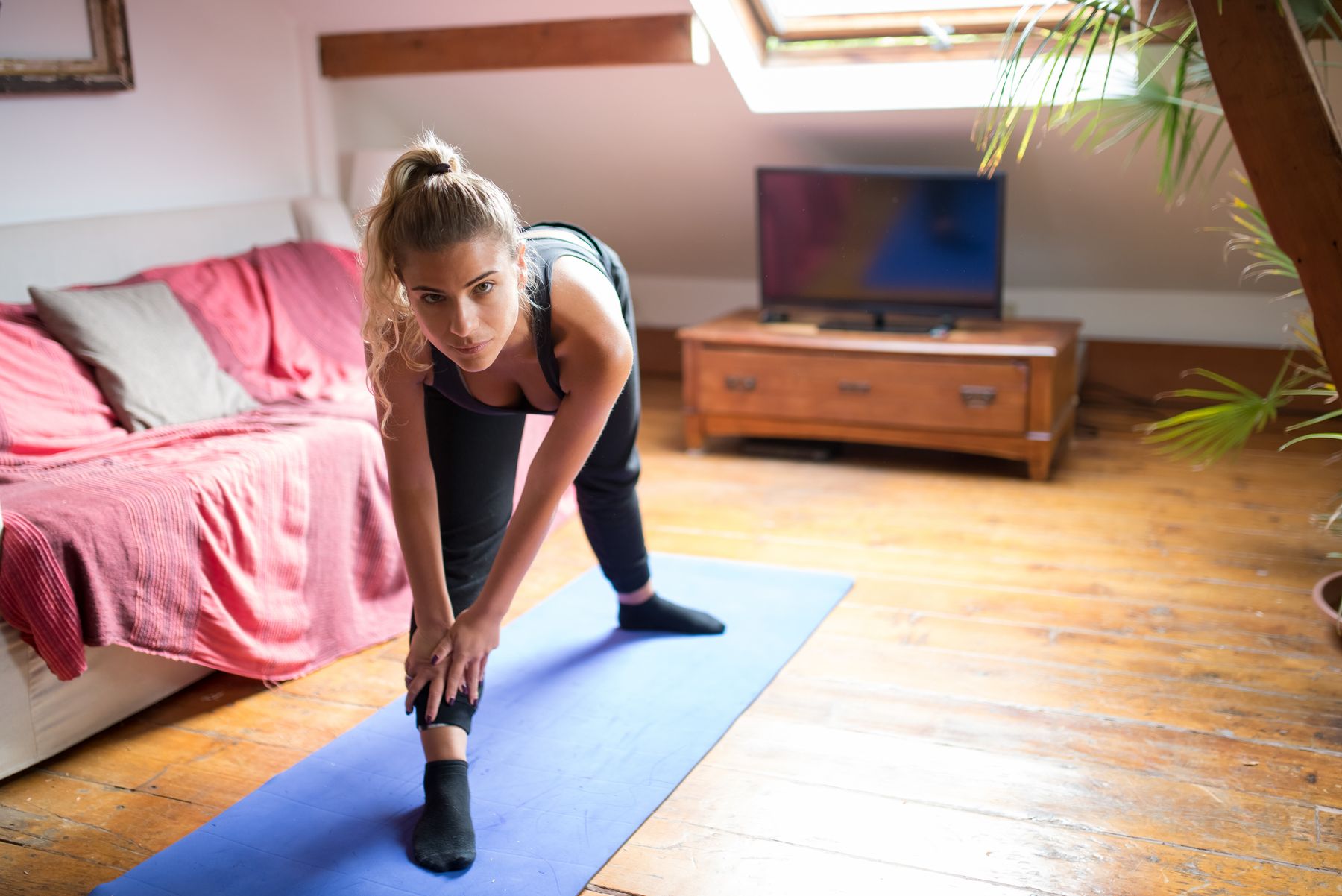
Before a workout, I usually prefer a gradual warm-up that resembles the work ahead. For a run, that may be easy walking or jogging followed by a few leg movements. For a squat session, it may be bodyweight squats and lighter practice sets. These movements give me a chance to notice how I feel before increasing effort.
Dynamic stretching can be part of that warm-up, but I do not need a long list of drills. Two or three controlled movements related to the session are enough for many ordinary workouts. Long, intense static holds immediately before maximal speed or power may not be ideal for performance, but a brief comfortable stretch is not automatically dangerous.
Strength Belongs in the Mobility Conversation
Sometimes the range is available, but I do not feel steady using it. In that case, I may benefit from practicing strength through a comfortable range rather than adding another passive stretch. A slow sit-to-stand, a supported split squat, or a controlled reach can teach me to use movement in context.
I start with a version I can repeat with good control and adjust the range gradually. I do not push deeper merely to match a photograph. If I use weights, I keep the load manageable while learning the pattern. The goal is usable movement, not the largest range I can display once.
Three Areas I Check for My Own Goals
I do not believe everyone shares the same five “problem” joints. I choose areas based on the activity. For lower-body training, I may check how my ankles, hips, and trunk move during a squat or step-up. For overhead work, I look at how comfortably I can raise my arms and control the movement. For running, I pay attention to whether a comfortable stride and gradual build-up feel natural.
These observations are starting points, not diagnoses. If a movement is painful or severely limited, I would ask a qualified professional for an individual assessment. I would not assume that a tight hip flexor caused back pain or that an ankle drill will prevent a ligament injury.
A Short Routine I Can Actually Repeat
When I want a general movement break, I choose a small set of motions that feel comfortable. I might do a minute of easy walking, five or six slow sit-to-stands, several gentle hip hinges, a few supported ankle rocks on each side, and a few slow arm reaches. I can finish in five to eight minutes without special equipment.
I change the routine if the purpose changes. Before an upper-body lift, I may spend more time on the shoulders and practice the lift with a light load. After a long day sitting, I may simply walk and move my hips through a comfortable range. A short routine done when useful is better for me than an inflexible twenty-minute requirement I will not maintain.
A Focused Flexibility Session
If I want to improve a specific stretch over time, I can practice it a few times a week. For example, if I want a more comfortable hamstring stretch, I warm up briefly, choose a supported position, hold a gentle stretch for a short period, and repeat it. I compare how the same position feels over several weeks rather than forcing visible change in one day.
I can pair stretching with active movement. After a supported hamstring stretch, I might practice a light hip hinge. After a comfortable calf stretch, I might do slow calf raises. This is a practical way to connect range with control. It is not a promise that stretching will add a particular number of kilograms to my squat.
Where Yoga and Foam Rolling Fit
A yoga class can be an enjoyable way to practice movement, balance, and attention. Different classes vary widely in pace and difficulty, so I choose one that fits my ability. I can modify a pose or use props. I do not need to force a deep stretch because everyone else in the room appears to be doing it.
Foam rolling may temporarily make an area feel more comfortable or change how a movement feels. I can use it if I like it, but I do not describe it as breaking up fascia, repairing tissue, or accelerating recovery. It is optional, and I do not need to roll through severe pain to get a benefit.
What I Do When Range Does Not Improve
If I have practiced consistently and nothing changes, I first ask whether the target matters for my activity and whether I am measuring it in a repeatable way. Body position, time of day, and warm-up can change how far I reach. I may need more consistent practice, a different exercise, or strength in the range I already have.
I do not assume a “tight joint capsule,” dehydration of fascia, or lack of supplements is the answer. Those are specific claims that require proper assessment. Persistent pain or a sudden loss of movement deserves professional advice, especially if it follows an injury or comes with swelling, weakness, or numbness.
How I Keep Mobility Work in Perspective
Mobility is one part of physical fitness. Strength, aerobic activity, balance, sleep, and recovery also matter. I would not replace all of those with stretching, and I would not tell someone that their future independence depends on touching their toes today. I choose the range I need for the life and activities I want, then work on it patiently.
My most useful habit is simple: notice a movement that feels limited, choose a comfortable way to practice it, and reassess after several weeks. If the movement improves, I keep what helped. If it does not, I adjust or seek guidance. That approach gives mobility work a clear purpose without making promises it cannot keep.
发表回复